How Much Does It Cost to Start a Personal Training Business in Tennessee?
Starting a Personal Training Business in Tennessee typically costs between $4,600 and $92,000, with a median estimate of $23,000. Tennessee’s cost of living is 8% below the national average, which helps reduce operating expenses like commercial rent and labor. LLC formation in Tennessee costs $300 to file. Most personal training business businesses take 1-3 months to launch.
Last updated: May 2026
How Much Does It Cost to Start a Personal Training Business in Tennessee?
Low
$4,600
Medium
$23,000
High
$92,000
National average: $5,000 – $100,000
Interactive Startup Cost Calculator
Startup Cost Calculator
Personal Training Business in Tennessee
Options
Startup Costs
$23,552
Monthly Costs
$3,680
First Year Total
$67,712
Full Cost Breakdown
| Cost Category | Low | Medium | High | Notes |
|---|---|---|---|---|
| Certifications & Continuing Education | $460 | $1,840 | $4,600 | NASM (https://www.nasm.org/) and ACE (https://www.acefitness.org/) are the dominant entry-level certifications and the NSCA CSCS is the standard for strength-and-conditioning work. Plan for the certification exam plus study materials, and budget for specialty certifications (prenatal, corrective exercise, nutrition) on top. Annual CEUs are required to maintain certification. |
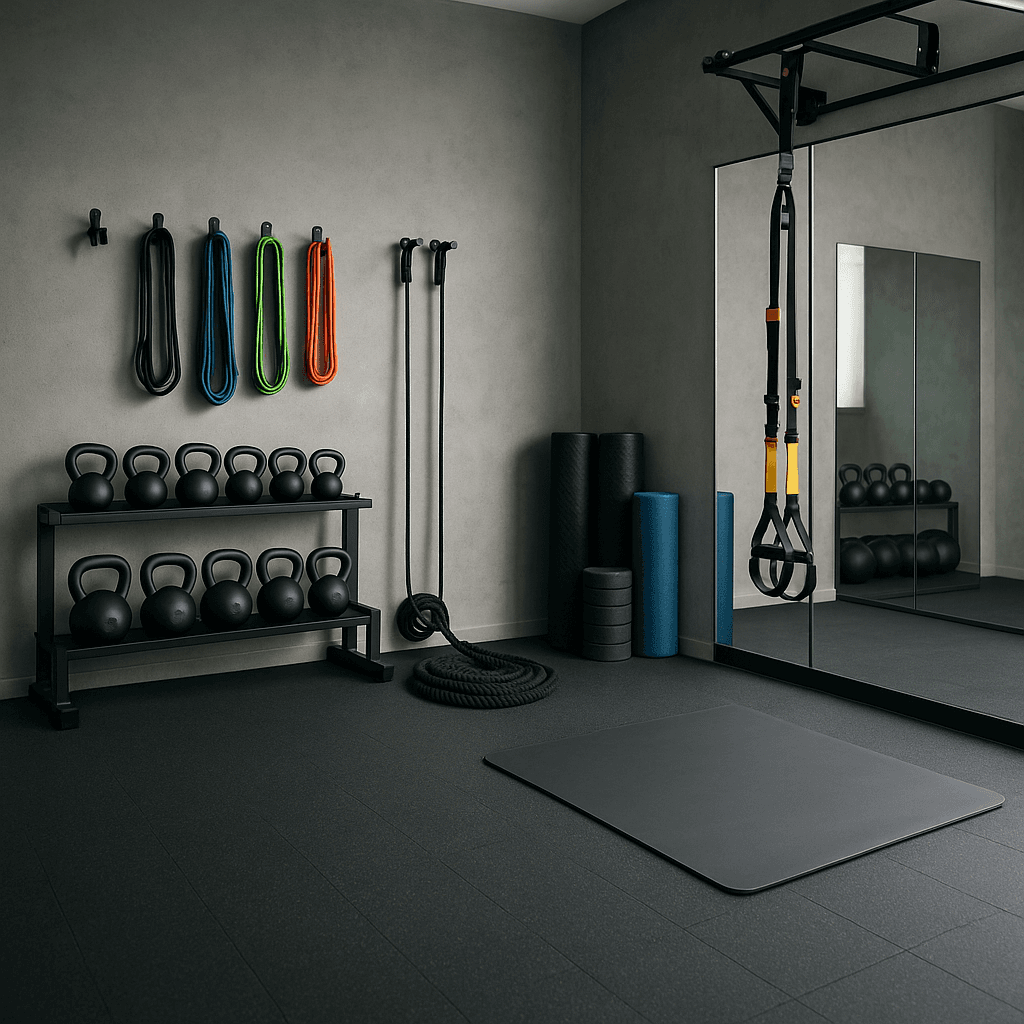
| Training Equipment | $920 | $4,600 | $27,600 | A mobile trainer can equip themselves for a low four-figure budget in portable equipment. A private studio setup runs into the tens of thousands once racks, cardio, and flooring are factored in. Starting with bodyweight, bands, and a few kettlebells minimizes startup costs. |
| Insurance | $184 | $552 | $1,840 | NASM and ACE certification holders can typically get professional liability insurance bundled through their certification body for a low three-figure annual cost. Independent trainers should carry meaningful liability limits — one-million-per-occurrence with a two-million aggregate is the standard floor for client-facing fitness work. |
| Business Software & Apps | $184 | $920 | $2,760 | TrueCoach, TrainHeroic, or My PT Hub are common workout-delivery platforms billed on monthly subscriptions. Square or Stripe handle payment processing. A basic website with online booking is a one-time low-four-figure cost. |
| Marketing & Social Media | $460 | $1,840 | $7,360 | Personal trainers are their own brand — professional photos and before/after transformations are the primary marketing tool. Instagram growth and consistent content creation is more effective than paid ads for most trainers. |
| Working Capital Reserve | $1,840 | $7,360 | $23,000 | Most personal trainers reach part-time profitability within 3 months and full-time income within 6-12 months. Client cancellations and seasonal slowdowns make 2-3 months of reserves prudent. |
| Private Studio Lease (if applicable) (optional) | $184 | $4,600 | $18,400 | Many trainers operate from gyms (paying monthly rent to the gym or working as an employee), client homes, or outdoor spaces — avoiding lease costs entirely. A small private studio of 500-800 sq ft typically commands a low four-figure monthly rent depending on market. |
| Gym Membership or Rental Fees (monthly) | $460 | $1,840 | $7,360 | Training at a commercial gym typically requires either a partnership agreement priced as a monthly fee or per-session day-pass pricing. Some gyms offer trainers a free membership in exchange for bringing paying clients. |
| Total Startup Cost | $4,048 | $17,112 | $67,160 | Required costs only |
Licenses & Permits in Tennessee
Licenses & Permits in Tennessee
General Business License
Tennessee requires most businesses to obtain a Standard Business License or Minimal Activity License through the Tennessee Department of Revenue. A Standard Business License is required for businesses with annual gross receipts over a state-defined annual revenue threshold while a Minimal Activity License covers businesses with receipts in a smaller state-defined revenue band. Businesses must also register their entity with the Tennessee Secretary of State. Tennessee has no state income tax on wages, which is a significant business advantage. Individual cities and counties also issue local business licenses.
Industry-Specific Licenses
- Food Service Establishment Permit — Tennessee Department of Health — Division of Environmental HealthCost: Varies — contact agency • Renewal: Annual
- Contractor License — Tennessee Board for Licensing ContractorsCost: Varies — contact agency • Renewal: Annual
- Cosmetology Salon License — Tennessee Board of Cosmetology and Barber ExaminersCost: Varies — contact agency • Renewal: Annual
- Real Estate Broker License — Tennessee Real Estate CommissionCost: Varies — contact agency • Renewal: Annual
- Child Care Agency License — Tennessee Department of Human Services — Child Care ServicesCost: Varies — contact agency • Renewal: Annual
- Wine and Beer License — Tennessee Alcoholic Beverage CommissionCost: Varies — contact agency • Renewal: Annual
- Talent Agency License — Tennessee Department of Commerce and InsuranceCost: Varies — contact agency • Renewal: Annual
- Medical Practice License — Tennessee Board of Medical ExaminersCost: Varies — contact agency • Renewal: Annual
Home-Based Business Rules
Tennessee municipalities regulate home-based businesses through local zoning ordinances. Nashville-Davidson County allows home occupations in residential zones with restrictions on customer visits, commercial signage, and non-resident employees. Tennessee's many rural communities are generally very accommodating of home-based businesses. Tennessee's cottage food law, with its comparatively high annual sales cap, is particularly supportive of home-based food businesses.
Monthly Operating Costs
After launch, plan for these ongoing monthly expenses for your Personal Training Business:
Low
$1,000/mo
Medium
$4,000/mo
High
$15,000/mo
Revenue Potential
Annual Revenue Range
$2,000 – $30,000 (monthly)
Profit Margins
40%-70% net profit typical for established solo trainers
Break-Even Timeline
1-6 months
How Tennessee Compares to Neighboring States
Tennessee is one of the more affordable states for launching a Personal Training Business, with a cost-of-living index of 92.1 (national average is 100). Compared to neighboring Virginia ($26,750 median startup cost), Tennessee offers lower costs for a Personal Training Business.
| State | Est. Cost | LLC Fee |
|---|---|---|
| Tennessee (current) | $23,000 | $300 |
| Virginia | $26,750 | $100 |
| North Carolina | $24,000 | $125 |
| Georgia | $23,500 | $100 |
| Alabama | $20,250 | $200 |
| Mississippi | $19,250 | $50 |
| Arkansas | $20,250 | $45 |
| Missouri | $20,750 | $50 |
| Kentucky | $21,000 | $40 |
Common Mistakes to Avoid
- 1
Trying to train everyone instead of specializing — trainers who specialize (weight loss, athletes, seniors, prenatal) fill their roster faster and command higher rates
- 2
Underpricing sessions — rates that don't cover certifications, insurance, marketing, and reasonable hourly compensation are unsustainable; benchmark against established trainers in your market and price for the actual cost of doing business
- 3
Not creating recurring revenue — switch clients from pay-per-session to monthly packages for predictable cash flow
- 4
Neglecting continuing education — skills and certifications directly justify rate increases
- 5
Not taking before photos and tracking metrics — client results are your primary marketing asset
- 6
Working at a gym as an employee instead of as an independent contractor — employee arrangements typically transfer a substantial share of session revenue to the gym in exchange for client flow and facilities
Next Steps to Launch Your Personal Training Business
- 1
Register your Personal Training Studio as an LLC with the Tennessee Secretary of State ($300 filing fee)
- 2
Obtain a Tennessee business license and ensure all trainers hold nationally recognized certifications (NASM, ACE, NSCA)
- 3
Get professional liability (errors and omissions) insurance and general liability coverage for personal training; premiums vary by certification body and coverage limits
- 4
Draft client intake forms, PAR-Q health questionnaires, and liability waivers reviewed by a Tennessee attorney
- 5
Purchase training equipment: adjustable dumbbells, cables, TRX systems, kettlebells, and assessment tools sized to your studio model and client volume
- 6
Set up scheduling, billing, and client progress tracking software (TrainerRoad, My PT Hub, or similar)
- 7
Verify Tennessee requirements if operating from a home gym — some municipalities require a home occupation permit
- 8
Build your client testimonial base during the first 90 days using a discounted foundational client program
Frequently Asked Questions
Related Businesses in Tennessee
Gym & Fitness Center
Health & Wellness$50,000 – $1,000,000
View in Tennessee →
Yoga Studio
Health & Wellness$15,000 – $200,000
View in Tennessee →
Martial Arts Studio
Childcare & Education$20,000 – $200,000
View in Tennessee →
Juice Bar & Smoothie Shop
Food & Beverage$25,000 – $250,000
View in Tennessee →
Dance Studio
Childcare & Education$20,000 – $250,000
View in Tennessee →
Start a Personal Training Business in Other States
See the national overview for Personal Training Business or browse all businesses you can start in Tennessee.