How Much Does It Cost to Start a Dance Studio in Tennessee?
Starting a Dance Studio in Tennessee typically costs between $18,400 and $230,000, with a median estimate of $73,600. Tennessee’s cost of living is 8% below the national average, which helps reduce operating expenses like commercial rent and labor. LLC formation in Tennessee costs $300 to file. Most dance studio businesses take 3-6 months to launch.
Last updated: May 2026
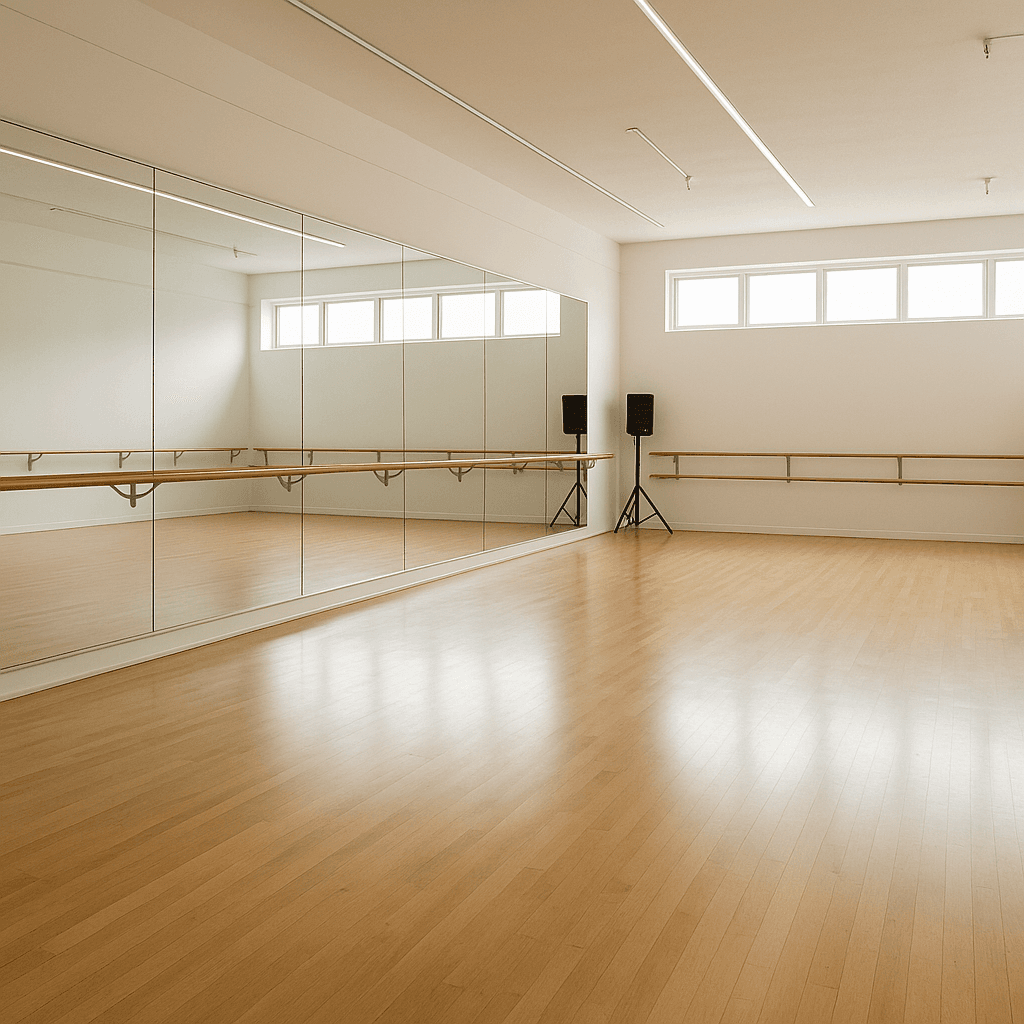
How Much Does It Cost to Start a Dance Studio in Tennessee?
Low
$18,400
Medium
$73,600
High
$230,000
National average: $20,000 – $250,000
Interactive Startup Cost Calculator
Startup Cost Calculator
Dance Studio in Tennessee
Options
Startup Costs
$71,300
Monthly Costs
$11,040
First Year Total
$203,780
Full Cost Breakdown
| Cost Category | Low | Medium | High | Notes |
|---|---|---|---|---|
| Studio Space Lease & Build-Out | $9,200 | $36,800 | $110,400 | A sprung dance floor and mirrored walls are each priced per square foot installed; for a typical 1,500 sq ft studio they together represent the bulk of the build-out budget. |
| Dance Equipment & Barres | $920 | $3,680 | $11,040 | Wall-mounted barres are priced per linear foot installed. Portable barres are sold per unit at modest cost and are useful for adding capacity without committing the wall space. |
| Sound System | $1,380 | $4,600 | $13,800 | Music quality is critical in a dance studio. Invest in a real commercial sound system — consumer equipment fails under daily use. |
| Licenses & Permits | $276 | $1,380 | $3,680 | ASCAP (https://www.ascap.com/) and BMI (https://www.bmi.com/) blanket music licenses are required if playing commercially-released music in classes; annual fees scale with studio size and weekly class count. |
| Insurance | $736 | $2,300 | $6,440 | Injury liability from dance falls and sprains makes general liability critical. Premiums scale with class volume and student count. |
| Studio Management Software | $276 | $1,380 | $4,600 | Jackrabbit Dance, DanceStudio-Pro, and Studio Director are popular dance-studio platforms billed on monthly subscriptions that scale with student count. Budget for implementation time on top of the SaaS fee. |
| Marketing & Community Outreach | $460 | $2,760 | $9,200 | Summer camps and free trial classes are extremely effective for initial enrollment. Target the youngest age groups — they are the most loyal student cohorts and convert into multi-year families. |
| Working Capital Reserve | $4,600 | $13,800 | $46,000 | Dance studios ramp enrollment at the start of each semester (September, January). Plan for revenue cycles. |
| Costumes & Recital Supplies (optional) | $920 | $4,600 | $13,800 | Annual recitals are the most profitable events for dance studios. Costumes sold to parents are a significant revenue stream. |
| Total Startup Cost | $17,848 | $66,700 | $205,160 | Required costs only |
Licenses & Permits in Tennessee
Licenses & Permits in Tennessee
General Business License
Tennessee requires most businesses to obtain a Standard Business License or Minimal Activity License through the Tennessee Department of Revenue. A Standard Business License is required for businesses with annual gross receipts over a state-defined annual revenue threshold while a Minimal Activity License covers businesses with receipts in a smaller state-defined revenue band. Businesses must also register their entity with the Tennessee Secretary of State. Tennessee has no state income tax on wages, which is a significant business advantage. Individual cities and counties also issue local business licenses.
Industry-Specific Licenses
- Food Service Establishment Permit — Tennessee Department of Health — Division of Environmental HealthCost: Varies — contact agency • Renewal: Annual
- Contractor License — Tennessee Board for Licensing ContractorsCost: Varies — contact agency • Renewal: Annual
- Cosmetology Salon License — Tennessee Board of Cosmetology and Barber ExaminersCost: Varies — contact agency • Renewal: Annual
- Real Estate Broker License — Tennessee Real Estate CommissionCost: Varies — contact agency • Renewal: Annual
- Child Care Agency License — Tennessee Department of Human Services — Child Care ServicesCost: Varies — contact agency • Renewal: Annual
- Wine and Beer License — Tennessee Alcoholic Beverage CommissionCost: Varies — contact agency • Renewal: Annual
- Talent Agency License — Tennessee Department of Commerce and InsuranceCost: Varies — contact agency • Renewal: Annual
- Medical Practice License — Tennessee Board of Medical ExaminersCost: Varies — contact agency • Renewal: Annual
Home-Based Business Rules
Tennessee municipalities regulate home-based businesses through local zoning ordinances. Nashville-Davidson County allows home occupations in residential zones with restrictions on customer visits, commercial signage, and non-resident employees. Tennessee's many rural communities are generally very accommodating of home-based businesses. Tennessee's cottage food law, with its comparatively high annual sales cap, is particularly supportive of home-based food businesses.
Monthly Operating Costs
After launch, plan for these ongoing monthly expenses for your Dance Studio:
Low
$4,000/mo
Medium
$12,000/mo
High
$30,000/mo
Revenue Potential
Annual Revenue Range
$60,000 – $500,000 (annual)
Profit Margins
15-30%
Break-Even Timeline
12-24 months
How Tennessee Compares to Neighboring States
Tennessee is one of the more affordable states for launching a Dance Studio, with a cost-of-living index of 92.1 (national average is 100). Compared to neighboring Virginia ($85,600 median startup cost), Tennessee offers lower costs for a Dance Studio.
| State | Est. Cost | LLC Fee |
|---|---|---|
| Tennessee (current) | $73,600 | $300 |
| Virginia | $85,600 | $100 |
| North Carolina | $76,800 | $125 |
| Georgia | $75,200 | $100 |
| Alabama | $64,800 | $200 |
| Mississippi | $61,600 | $50 |
| Arkansas | $64,800 | $45 |
| Missouri | $66,400 | $50 |
| Kentucky | $67,200 | $40 |
Common Mistakes to Avoid
- 1
Opening without music licenses — statutory copyright infringement penalties under U.S. law are substantial per work and compound across a class schedule
- 2
Starting without a sprung floor — injury liability from concrete or non-sprung floors is significant
- 3
Not planning recitals from day one — recitals are the most profitable revenue event of the year
- 4
Undercharging for classes — discounting so deeply that perceived quality drops undermines the entire enrollment funnel
- 5
Not having student retention programs — losing students at the end of each semester kills momentum
Next Steps to Launch Your Dance Studio
- 1
Form your LLC in Tennessee — dance studios teach minors and face injury liability; entity protection and liability waivers are essential (filing fee: $300)
- 2
Obtain a business license in Tennessee and confirm zoning permits a dance studio at your location (assembly occupancy requirements may apply)
- 3
Obtain liability waivers for all students (and parental consent forms for minors) — use Tennessee-compliant waiver language reviewed by an attorney
- 4
Get general liability and professional liability insurance — required for studio leases and recital venue rentals; premiums scale with student count
- 5
Verify instructor credentials: professional dance training (CDA, DTAP, or national dance organization certifications) improves credibility
- 6
Install proper flooring: sprung or Marley vinyl dance floor is essential to prevent injury and attract serious students
- 7
Set up studio management software (MINDBODY, Jackrabbit Dance, or DanceStudio-Pro) for enrollment, billing, and class scheduling
- 8
Plan your annual recital from day one — ticket sales and costume fees generate significant revenue and build community loyalty
Frequently Asked Questions
Related Businesses in Tennessee
Martial Arts Studio
Childcare & Education$20,000 – $200,000
View in Tennessee →
Yoga Studio
Health & Wellness$15,000 – $200,000
View in Tennessee →
Gym & Fitness Center
Health & Wellness$50,000 – $1,000,000
View in Tennessee →
Music School
Childcare & Education$10,000 – $150,000
View in Tennessee →
Preschool
Childcare & Education$50,000 – $400,000
View in Tennessee →
Start a Dance Studio in Other States
See the national overview for Dance Studio or browse all businesses you can start in Tennessee.