How Much Does It Cost to Start a Food Processing Business in New Jersey?
Starting a Food Processing Business in New Jersey typically costs between $250,000 and $937,500, with a median estimate of $312,500. New Jersey’s cost of living runs 15% above the national average, which increases commercial rent and labor costs. LLC formation in New Jersey costs $125 to file. Most food processing business businesses take 6-18 months to launch.
Last updated: May 2026
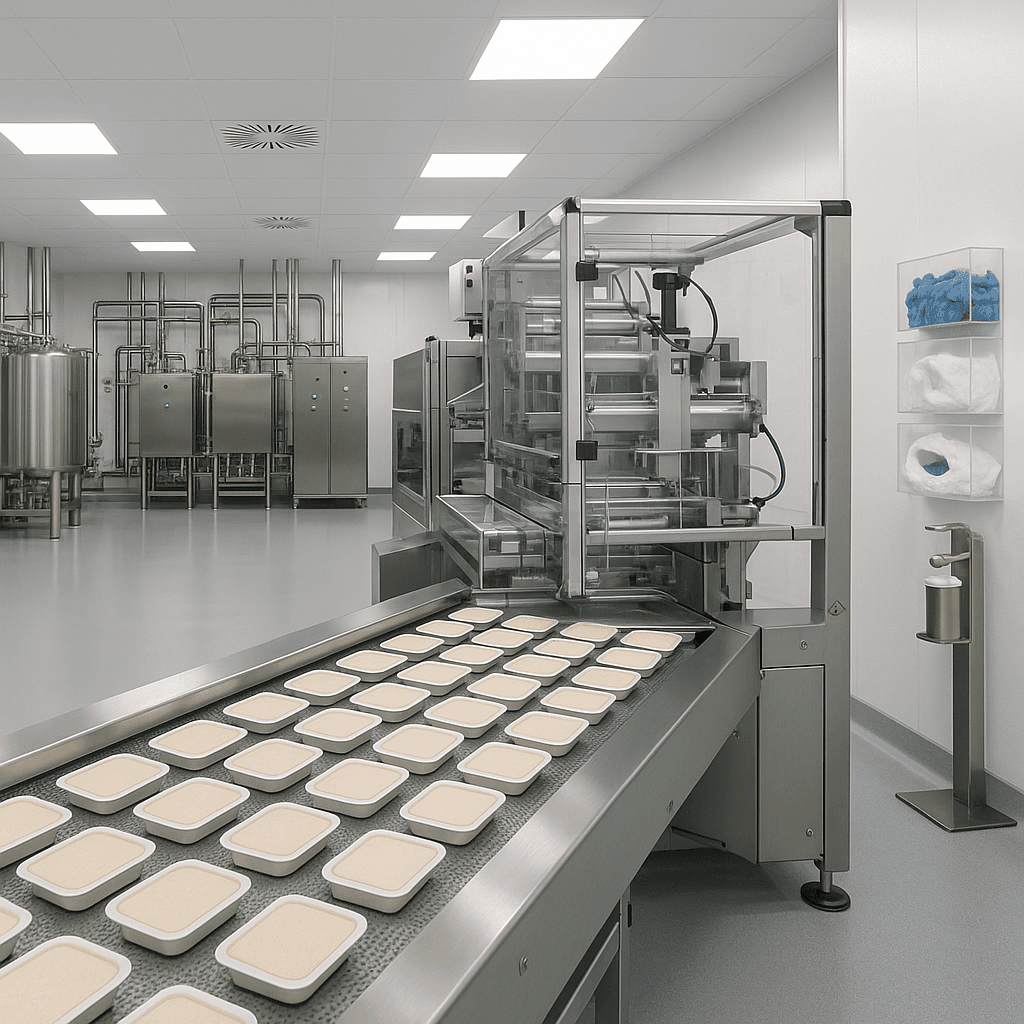
How Much Does It Cost to Start a Food Processing Business in New Jersey?
Low
$250,000
Medium
$312,500
High
$937,500
National average: $200,000 – $750,000
Interactive Startup Cost Calculator
Startup Cost Calculator
Food Processing Business in New Jersey
Options
Startup Costs
$374,250
Monthly Costs
$31,250
First Year Total
$749,250
Full Cost Breakdown
| Cost Category | Low | Medium | High | Notes |
|---|---|---|---|---|
| Production Equipment | $100,000 | $125,000 | $500,000 | Equipment varies enormously by product type. A sauce production line is a meaningful five-figure capital outlay. Automated packaging lines are six-figure capital purchases. Buying used industrial food equipment reduces costs materially. |
| Facility Lease & Build-Out | $37,500 | $62,500 | $187,500 | An FDA-registered food facility needs epoxy floors, commercial HVAC, and pest exclusion systems. Production typically requires several thousand square feet at minimum. |
| Regulatory Compliance & Permits | $6,250 | $12,500 | $37,500 | FSMA (https://www.fda.gov/food/food-safety-modernization-act-fsma) compliance requires a written food safety plan. Engaging a food safety consultant is a meaningful four-to-low-five-figure expense. FDA registration is free but requires biennial renewal. |
| Initial Raw Material Inventory | $18,750 | $37,500 | $125,000 | Buying ingredients at commercial scale provides significant cost advantages. Packaging for an opening production run of several thousand units is a meaningful four-to-low-five-figure cost. |
| Insurance | $9,600 | $18,000 | $48,000 | Product recall insurance is critical for food manufacturers. Major retail buyers often require seven-figure product liability coverage limits as a condition of purchase. |
| Marketing & Distribution Setup | $12,500 | $25,000 | $75,000 | Food brokers charge a percentage of sales to secure retail placement. Major industry trade shows like the Fancy Food Show command meaningful per-booth fees that scale with footprint. |
| Working Capital Reserve | $55,000 | $75,000 | $250,000 | Food manufacturers often wait 60-90 days for retailer payment. Maintain 3-6 months of production costs in reserve. |
| Food Safety Certifications (optional) | $10,000 | $18,750 | $50,000 | Major retailers (Whole Foods, Costco) require SQF Level 2 or equivalent. Certification takes 6-12 months and represents a meaningful four-to-low-five-figure cost including consultant and audit fees. |
| Total Startup Cost | $239,600 | $355,500 | $1,223,000 | Required costs only |
Licenses & Permits in New Jersey
Licenses & Permits in New Jersey
General Business License
New Jersey requires businesses to register with the New Jersey Division of Revenue and Enterprise Services through the Business Registration Certificate process. Businesses must also register for sales tax collection with the Division of Taxation. New Jersey's 565 municipalities have their own business license requirements. New Jersey requires a Certificate of Authority to collect sales tax, and businesses with employees must register with the Division of Revenue for payroll taxes.
Industry-Specific Licenses
- Retail Food Establishment License — New Jersey Department of Health or Local Health DepartmentCost: Varies — contact agency • Renewal: Annual
- Home Improvement Contractor Registration — New Jersey Division of Consumer AffairsCost: Varies — contact agency • Renewal: Biennial
- Cosmetology Shop License — New Jersey Board of Cosmetology and HairstylingCost: Varies — contact agency • Renewal: Biennial
- Real Estate Broker License — New Jersey Real Estate CommissionCost: Varies — contact agency • Renewal: Biennial
- Child Care Center License — New Jersey Division of Children and Families — Office of LicensingCost: Varies — contact agency • Renewal: Annual
- Plenary Retail Consumption License — New Jersey Division of Alcoholic Beverage ControlCost: Varies — contact agency • Renewal: Annual
- Motor Carrier Operating Authority — New Jersey Division of Taxation — Motor CarrierCost: Varies — contact agency • Renewal: Annual
- Electrical Contractor License — New Jersey Division of Consumer Affairs — State Board of Examiners of Electrical ContractorsCost: Varies — contact agency • Renewal: Biennial
Home-Based Business Rules
New Jersey municipalities regulate home-based businesses through local zoning ordinances under the MLUL. Most New Jersey municipalities allow home occupations in residential zones with restrictions on customer traffic, signage, and commercial activity visible from the street. New Jersey's dense suburban character means home-based business regulations are actively enforced. New Jersey's cottage food law permits limited home-based food production and direct consumer sales.
Monthly Operating Costs
After launch, plan for these ongoing monthly expenses for your Food Processing Business:
Low
$8,000/mo
Medium
$25,000/mo
High
$95,000/mo
Revenue Potential
Annual Revenue Range
$200,000 – $5,000,000 (annual)
Profit Margins
5-12% net typical
Break-Even Timeline
18-36 months
How New Jersey Compares to Neighboring States
New Jersey is a higher-cost state for starting a Food Processing Business, with a cost-of-living index of 115.3 (national average is 100). Compared to neighboring New York ($347,500 median startup cost), New Jersey offers lower costs for a Food Processing Business.
| State | Est. Cost | LLC Fee |
|---|---|---|
| New Jersey (current) | $312,500 | $125 |
| New York | $347,500 | $200 |
| Pennsylvania | $240,000 | $125 |
| Delaware | $260,000 | $110 |
Common Mistakes to Avoid
- 1
Underestimating FDA registration and FSMA compliance requirements — non-compliance results in facility shutdown
- 2
Skipping product liability and recall insurance — a single recall event can bankrupt an uninsured food manufacturer
- 3
Pricing products for retail without accounting for distributor and broker margins — retail price is typically a multiple of production cost once the channel takes its share
- 4
Not getting GTIN (UPC) barcodes before approaching retailers — every SKU needs a registered barcode
- 5
Underestimating retailer slotting fees — shelf placement in grocery chains is a substantial per-store, per-SKU one-time cost
- 6
Starting with too many SKUs — launch with 1-3 products and validate demand before expanding
Next Steps to Launch Your Food Processing Business
- 1
Register your Food Manufacturing Business as an LLC with the New Jersey Secretary of State ($125 filing fee)
- 2
Register your food manufacturing facility with the New Jersey Department of Agriculture and the FDA (if applicable)
- 3
Pass New Jersey food production facility inspection and obtain a commercial food processing license
- 4
Develop a HACCP (Hazard Analysis Critical Control Points) food safety plan — required for commercial production
- 5
Get product liability, commercial property, and workers compensation insurance for manufacturing operations; premiums scale with revenue and product mix
- 6
Establish your GMP (Good Manufacturing Practice) protocols and production documentation system
- 7
Register your product labels with the New Jersey Department of Agriculture and ensure FDA-compliant nutrition labeling
- 8
Identify wholesale distribution channels: regional grocery chains, specialty stores, or direct foodservice accounts
Frequently Asked Questions
Related Businesses in New Jersey
Bakery
Food & Beverage$20,000 – $300,000
View in New Jersey →
Catering Business
Food & Beverage$12,000 – $130,000
View in New Jersey →
Meal Prep Business
Food & Beverage$20,000 – $200,000
View in New Jersey →
Ghost Kitchen
Food & Beverage$20,000 – $150,000
View in New Jersey →
Restaurant
Food & Beverage$175,000 – $750,000
View in New Jersey →
Start a Food Processing Business in Other States
See the national overview for Food Processing Business or browse all businesses you can start in New Jersey.