How Much Does It Cost to Start a Food Processing Business in Tennessee?
Starting a Food Processing Business in Tennessee typically costs between $184,000 and $690,000, with a median estimate of $230,000. Tennessee’s cost of living is 8% below the national average, which helps reduce operating expenses like commercial rent and labor. LLC formation in Tennessee costs $300 to file. Most food processing business businesses take 6-18 months to launch.
Last updated: May 2026
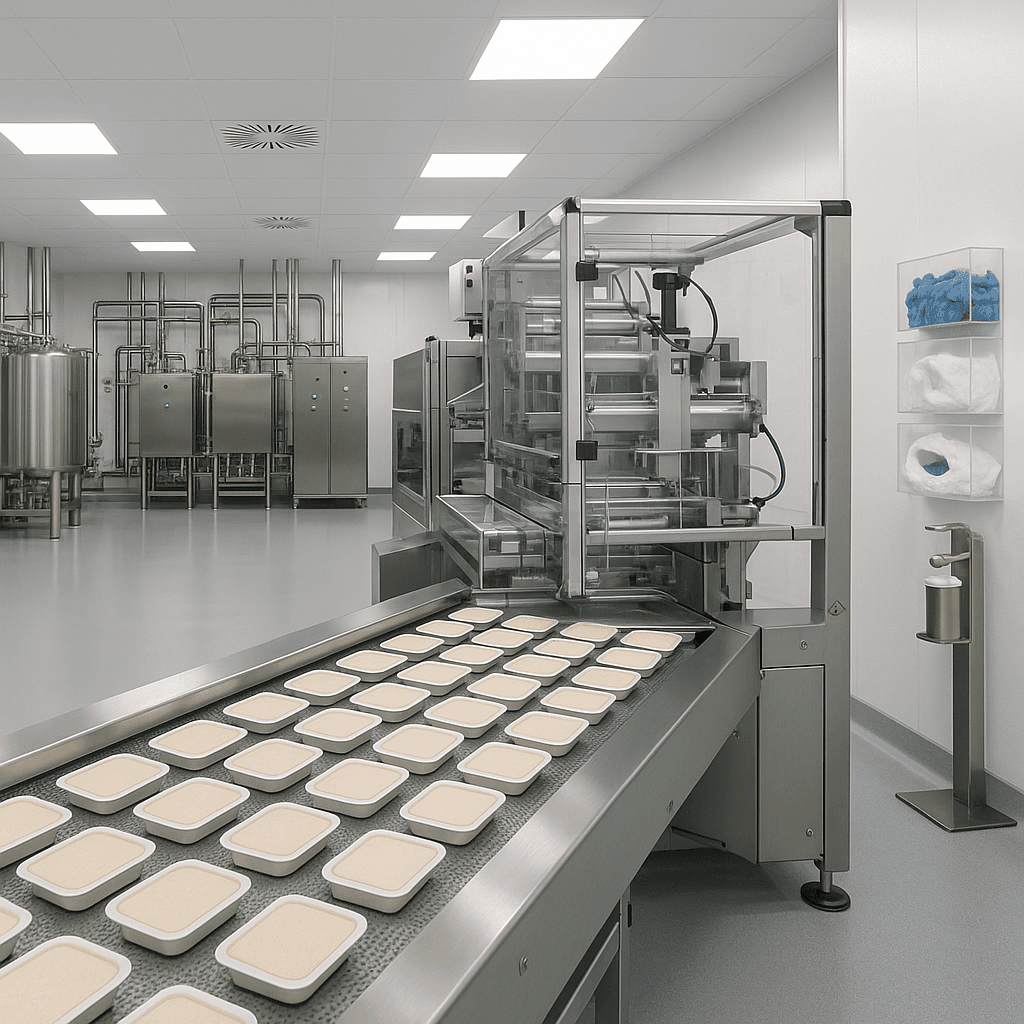
How Much Does It Cost to Start a Food Processing Business in Tennessee?
Low
$184,000
Medium
$230,000
High
$690,000
National average: $200,000 – $750,000
Interactive Startup Cost Calculator
Startup Cost Calculator
Food Processing Business in Tennessee
Options
Startup Costs
$276,000
Monthly Costs
$23,000
First Year Total
$552,000
Full Cost Breakdown
| Cost Category | Low | Medium | High | Notes |
|---|---|---|---|---|
| Production Equipment | $73,600 | $92,000 | $368,000 | Equipment varies enormously by product type. A sauce production line is a meaningful five-figure capital outlay. Automated packaging lines are six-figure capital purchases. Buying used industrial food equipment reduces costs materially. |
| Facility Lease & Build-Out | $27,600 | $46,000 | $138,000 | An FDA-registered food facility needs epoxy floors, commercial HVAC, and pest exclusion systems. Production typically requires several thousand square feet at minimum. |
| Regulatory Compliance & Permits | $4,600 | $9,200 | $27,600 | FSMA (https://www.fda.gov/food/food-safety-modernization-act-fsma) compliance requires a written food safety plan. Engaging a food safety consultant is a meaningful four-to-low-five-figure expense. FDA registration is free but requires biennial renewal. |
| Initial Raw Material Inventory | $13,800 | $27,600 | $92,000 | Buying ingredients at commercial scale provides significant cost advantages. Packaging for an opening production run of several thousand units is a meaningful four-to-low-five-figure cost. |
| Insurance | $7,360 | $13,800 | $36,800 | Product recall insurance is critical for food manufacturers. Major retail buyers often require seven-figure product liability coverage limits as a condition of purchase. |
| Marketing & Distribution Setup | $9,200 | $18,400 | $55,200 | Food brokers charge a percentage of sales to secure retail placement. Major industry trade shows like the Fancy Food Show command meaningful per-booth fees that scale with footprint. |
| Working Capital Reserve | $40,480 | $55,200 | $184,000 | Food manufacturers often wait 60-90 days for retailer payment. Maintain 3-6 months of production costs in reserve. |
| Food Safety Certifications (optional) | $7,360 | $13,800 | $36,800 | Major retailers (Whole Foods, Costco) require SQF Level 2 or equivalent. Certification takes 6-12 months and represents a meaningful four-to-low-five-figure cost including consultant and audit fees. |
| Total Startup Cost | $176,640 | $262,200 | $901,600 | Required costs only |
Licenses & Permits in Tennessee
Licenses & Permits in Tennessee
General Business License
Tennessee requires most businesses to obtain a Standard Business License or Minimal Activity License through the Tennessee Department of Revenue. A Standard Business License is required for businesses with annual gross receipts over a state-defined annual revenue threshold while a Minimal Activity License covers businesses with receipts in a smaller state-defined revenue band. Businesses must also register their entity with the Tennessee Secretary of State. Tennessee has no state income tax on wages, which is a significant business advantage. Individual cities and counties also issue local business licenses.
Industry-Specific Licenses
- Food Service Establishment Permit — Tennessee Department of Health — Division of Environmental HealthCost: Varies — contact agency • Renewal: Annual
- Contractor License — Tennessee Board for Licensing ContractorsCost: Varies — contact agency • Renewal: Annual
- Cosmetology Salon License — Tennessee Board of Cosmetology and Barber ExaminersCost: Varies — contact agency • Renewal: Annual
- Real Estate Broker License — Tennessee Real Estate CommissionCost: Varies — contact agency • Renewal: Annual
- Child Care Agency License — Tennessee Department of Human Services — Child Care ServicesCost: Varies — contact agency • Renewal: Annual
- Wine and Beer License — Tennessee Alcoholic Beverage CommissionCost: Varies — contact agency • Renewal: Annual
- Talent Agency License — Tennessee Department of Commerce and InsuranceCost: Varies — contact agency • Renewal: Annual
- Medical Practice License — Tennessee Board of Medical ExaminersCost: Varies — contact agency • Renewal: Annual
Home-Based Business Rules
Tennessee municipalities regulate home-based businesses through local zoning ordinances. Nashville-Davidson County allows home occupations in residential zones with restrictions on customer visits, commercial signage, and non-resident employees. Tennessee's many rural communities are generally very accommodating of home-based businesses. Tennessee's cottage food law, with its comparatively high annual sales cap, is particularly supportive of home-based food businesses.
Monthly Operating Costs
After launch, plan for these ongoing monthly expenses for your Food Processing Business:
Low
$8,000/mo
Medium
$25,000/mo
High
$95,000/mo
Revenue Potential
Annual Revenue Range
$200,000 – $5,000,000 (annual)
Profit Margins
5-12% net typical
Break-Even Timeline
18-36 months
How Tennessee Compares to Neighboring States
Tennessee is one of the more affordable states for launching a Food Processing Business, with a cost-of-living index of 92.1 (national average is 100). Compared to neighboring Virginia ($267,500 median startup cost), Tennessee offers lower costs for a Food Processing Business.
| State | Est. Cost | LLC Fee |
|---|---|---|
| Tennessee (current) | $230,000 | $300 |
| Virginia | $267,500 | $100 |
| North Carolina | $240,000 | $125 |
| Georgia | $235,000 | $100 |
| Alabama | $202,500 | $200 |
| Mississippi | $192,500 | $50 |
| Arkansas | $202,500 | $45 |
| Missouri | $207,500 | $50 |
| Kentucky | $210,000 | $40 |
Common Mistakes to Avoid
- 1
Underestimating FDA registration and FSMA compliance requirements — non-compliance results in facility shutdown
- 2
Skipping product liability and recall insurance — a single recall event can bankrupt an uninsured food manufacturer
- 3
Pricing products for retail without accounting for distributor and broker margins — retail price is typically a multiple of production cost once the channel takes its share
- 4
Not getting GTIN (UPC) barcodes before approaching retailers — every SKU needs a registered barcode
- 5
Underestimating retailer slotting fees — shelf placement in grocery chains is a substantial per-store, per-SKU one-time cost
- 6
Starting with too many SKUs — launch with 1-3 products and validate demand before expanding
Next Steps to Launch Your Food Processing Business
- 1
Register your Food Manufacturing Business as an LLC with the Tennessee Secretary of State ($300 filing fee)
- 2
Register your food manufacturing facility with the Tennessee Department of Agriculture and the FDA (if applicable)
- 3
Pass Tennessee food production facility inspection and obtain a commercial food processing license
- 4
Develop a HACCP (Hazard Analysis Critical Control Points) food safety plan — required for commercial production
- 5
Get product liability, commercial property, and workers compensation insurance for manufacturing operations; premiums scale with revenue and product mix
- 6
Establish your GMP (Good Manufacturing Practice) protocols and production documentation system
- 7
Register your product labels with the Tennessee Department of Agriculture and ensure FDA-compliant nutrition labeling
- 8
Identify wholesale distribution channels: regional grocery chains, specialty stores, or direct foodservice accounts
Frequently Asked Questions
Related Businesses in Tennessee
Bakery
Food & Beverage$20,000 – $300,000
View in Tennessee →
Catering Business
Food & Beverage$12,000 – $130,000
View in Tennessee →
Meal Prep Business
Food & Beverage$20,000 – $200,000
View in Tennessee →
Ghost Kitchen
Food & Beverage$20,000 – $150,000
View in Tennessee →
Restaurant
Food & Beverage$175,000 – $750,000
View in Tennessee →
Start a Food Processing Business in Other States
See the national overview for Food Processing Business or browse all businesses you can start in Tennessee.