How Much Does It Cost to Start a Restaurant in New Jersey?
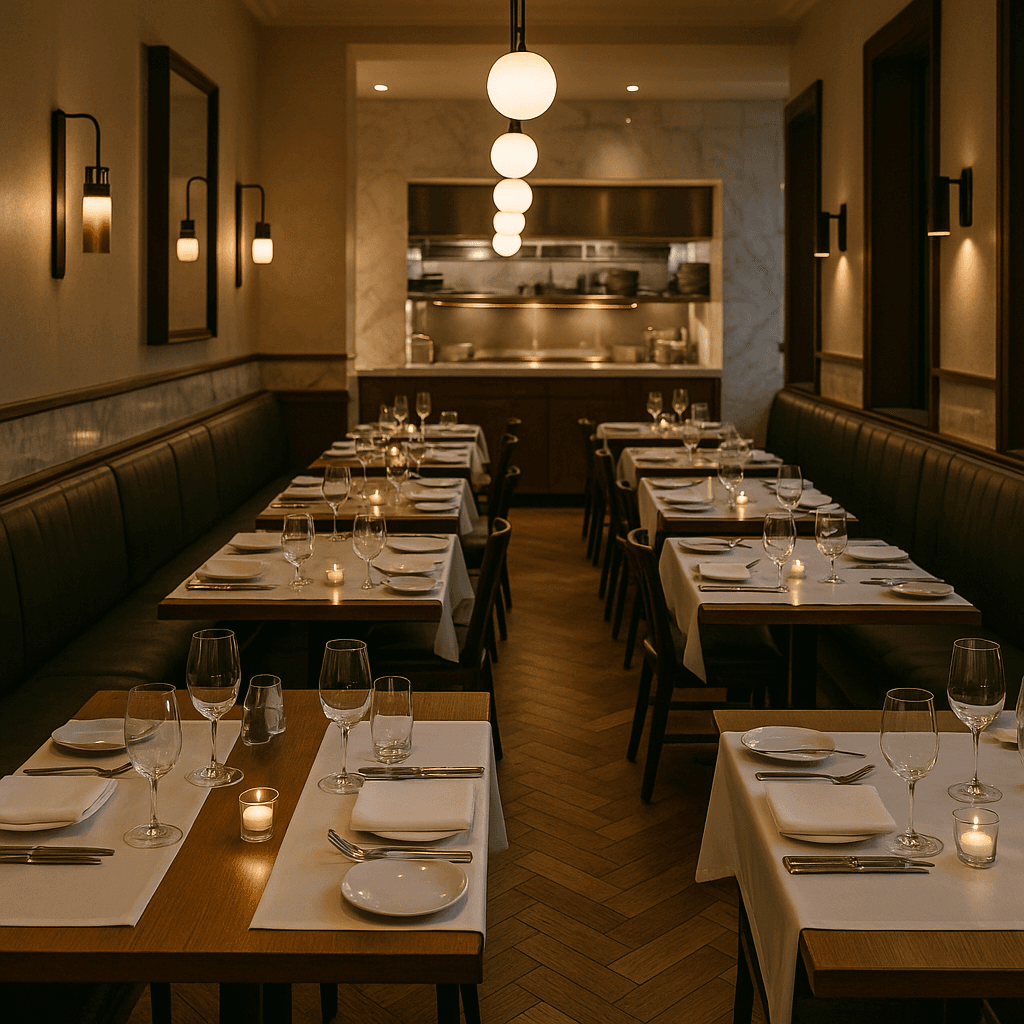
Starting a Restaurant in New Jersey typically costs between $218,750 and $937,500, with a median estimate of $468,750. New Jersey’s cost of living runs 15% above the national average, which increases commercial rent and labor costs. LLC formation in New Jersey costs $125 to file. Most restaurant businesses take 6-12 months to launch.
Last updated: May 2026
How Much Does It Cost to Start a Restaurant in New Jersey?
Low
$218,750
Medium
$468,750
High
$937,500
National average: $175,000 – $750,000
Interactive Startup Cost Calculator
Startup Cost Calculator
Restaurant in New Jersey
Options
Startup Costs
$453,250
Monthly Costs
$75,000
First Year Total
$1,353,250
Full Cost Breakdown
| Cost Category | Low | Medium | High | Notes |
|---|---|---|---|---|
| Commercial Space Lease & Build-Out | $37,500 | $100,000 | $250,000 | Build-out costs vary enormously depending on whether the space was previously a restaurant. A turnkey restaurant space — one that already has hood, grease trap, kitchen rough-in, and ADA-compliant restrooms — saves a meaningful share of total build-out cost compared to converting raw retail space. |
| Commercial Kitchen Equipment | $50,000 | $112,500 | $250,000 | Buying quality used equipment from auctions or restaurant liquidators (https://www.restaurantequipment.com/, Auction Resource) can cut equipment cost meaningfully. The hood and ventilation system alone is one of the largest single line items in the kitchen, and code requirements drive the cost more than brand or capacity. |
| Furniture, Fixtures & Decor | $12,500 | $37,500 | $100,000 | Front-of-house furnishings are typically budgeted on a per-square-foot basis for full-service dining. Fast-casual concepts spend less, both because seating is more utilitarian and because dining-room dwell time is shorter. |
| Licenses & Permits | $1,875 | $10,000 | $62,500 | Liquor license costs vary significantly by jurisdiction. The state application fee for an on-premises liquor license through the NY State Liquor Authority is typically a low-to-mid four-figure cost (https://sla.ny.gov/). In markets with active moratoria or high demand (notably NYC), secondary-market license transfers can climb well into six figures — though this is a resale value, not a state-set fee. |
| POS System & Technology | $2,500 | $10,000 | $25,000 | Toast (https://pos.toasttab.com/), Square for Restaurants, and Lightspeed are common choices. SaaS fees are billed monthly per terminal and station, on top of the upfront hardware purchase. |
| Initial Food & Beverage Inventory | $6,250 | $18,750 | $43,750 | Typically 1-2 months of projected food costs. Full-bar restaurants need additional beverage inventory. |
| Insurance | $4,800 | $12,000 | $30,000 | Restaurants pay higher insurance rates due to slip-and-fall risk and food safety liability. |
| Marketing & Grand Opening | $3,750 | $15,000 | $37,500 | A professional website and Google Business Profile are essential. Budget for first 3 months of digital marketing. |
| Working Capital Reserve | $37,500 | $100,000 | $187,500 | Most restaurants take 6-12 months to break even. Undercapitalization is the #1 cause of restaurant failure. |
| Pre-Opening Labor & Training | $10,000 | $25,000 | $62,500 | Allow 2-4 weeks of pre-opening training for kitchen and front-of-house staff. |
| Uniforms & Smallwares | $3,750 | $12,500 | $31,250 | Budget a low-to-mid three-figure cost per staff member for uniforms. Smallwares (plateware, glassware, kitchen tools) are routinely under-budgeted in initial pro formas. |
| Total Startup Cost | $170,425 | $453,250 | $1,080,000 | Required costs only |
Licenses & Permits in New Jersey
Licenses & Permits in New Jersey
General Business License
New Jersey requires businesses to register with the New Jersey Division of Revenue and Enterprise Services through the Business Registration Certificate process. Businesses must also register for sales tax collection with the Division of Taxation. New Jersey's 565 municipalities have their own business license requirements. New Jersey requires a Certificate of Authority to collect sales tax, and businesses with employees must register with the Division of Revenue for payroll taxes.
Industry-Specific Licenses
- Retail Food Establishment License — New Jersey Department of Health or Local Health DepartmentCost: Varies — contact agency • Renewal: Annual
- Home Improvement Contractor Registration — New Jersey Division of Consumer AffairsCost: Varies — contact agency • Renewal: Biennial
- Cosmetology Shop License — New Jersey Board of Cosmetology and HairstylingCost: Varies — contact agency • Renewal: Biennial
- Real Estate Broker License — New Jersey Real Estate CommissionCost: Varies — contact agency • Renewal: Biennial
- Child Care Center License — New Jersey Division of Children and Families — Office of LicensingCost: Varies — contact agency • Renewal: Annual
- Plenary Retail Consumption License — New Jersey Division of Alcoholic Beverage ControlCost: Varies — contact agency • Renewal: Annual
- Motor Carrier Operating Authority — New Jersey Division of Taxation — Motor CarrierCost: Varies — contact agency • Renewal: Annual
- Electrical Contractor License — New Jersey Division of Consumer Affairs — State Board of Examiners of Electrical ContractorsCost: Varies — contact agency • Renewal: Biennial
Home-Based Business Rules
New Jersey municipalities regulate home-based businesses through local zoning ordinances under the MLUL. Most New Jersey municipalities allow home occupations in residential zones with restrictions on customer traffic, signage, and commercial activity visible from the street. New Jersey's dense suburban character means home-based business regulations are actively enforced. New Jersey's cottage food law permits limited home-based food production and direct consumer sales.
Monthly Operating Costs
After launch, plan for these ongoing monthly expenses for your Restaurant:
Low
$25,000/mo
Medium
$60,000/mo
High
$150,000/mo
Revenue Potential
Annual Revenue Range
$400,000 – $2,500,000 (annual)
Profit Margins
3-9%
Break-Even Timeline
12-24 months
How New Jersey Compares to Neighboring States
New Jersey is a higher-cost state for starting a Restaurant, with a cost-of-living index of 115.3 (national average is 100). Compared to neighboring New York ($521,250 median startup cost), New Jersey offers lower costs for a Restaurant.
| State | Est. Cost | LLC Fee |
|---|---|---|
| New Jersey (current) | $468,750 | $125 |
| New York | $521,250 | $200 |
| Pennsylvania | $360,000 | $125 |
| Delaware | $390,000 | $110 |
Common Mistakes to Avoid
- 1
Underestimating build-out costs — always get three contractor bids and carry a meaningful contingency reserve on top of the lowest bid; overruns are the rule, not the exception
- 2
Skimping on working capital — restaurants need 6+ months of reserves, not 2-3
- 3
Opening without a trained management team in place before day one
- 4
Choosing location based on low rent rather than foot traffic and demographics
- 5
Ignoring the true cost of a liquor license — fees and license-transfer costs vary substantially by state, and in quota-state markets like NYC and New Jersey the secondary-market premium can push the total well into five-figure-plus budgets
Next Steps to Launch Your Restaurant
- 1
Register your Restaurant as an LLC with the New Jersey Secretary of State ($125 filing fee)
- 2
Apply for a New Jersey restaurant food service license and food handler permits for all kitchen staff
- 3
Obtain a Certificate of Occupancy and pass the New Jersey health department commercial kitchen inspection
- 4
Apply for a liquor license from the New Jersey Alcoholic Beverages Control board (6–18 month process — start early)
- 5
Complete your commercial kitchen build-out and pass the fire marshal inspection before opening
- 6
Get restaurant-specific insurance: general liability, commercial property, liquor liability, and workers comp; premiums scale with revenue and liquor exposure
- 7
Set up your restaurant POS system, reservation platform, and online ordering integration
- 8
Hire and train kitchen and front-of-house staff 2–4 weeks before your soft opening
Frequently Asked Questions
Related Businesses in New Jersey
Food Truck
Food & Beverage$45,000 – $200,000
View in New Jersey →
Catering Business
Food & Beverage$12,000 – $130,000
View in New Jersey →
Bar & Nightclub
Food & Beverage$100,000 – $850,000
View in New Jersey →
Pizza Shop
Food & Beverage$75,000 – $400,000
View in New Jersey →
Ghost Kitchen
Food & Beverage$20,000 – $150,000
View in New Jersey →
Start a Restaurant in Other States
See the national overview for Restaurant or browse all businesses you can start in New Jersey.