How Much Does It Cost to Start a Trucking Company in Tennessee?
Starting a Trucking Company in Tennessee typically costs between $27,600 and $184,000, with a median estimate of $73,600. Tennessee’s cost of living is 8% below the national average, which helps reduce operating expenses like commercial rent and labor. LLC formation in Tennessee costs $300 to file. Most trucking company businesses take 1-4 months to launch.
Last updated: May 2026
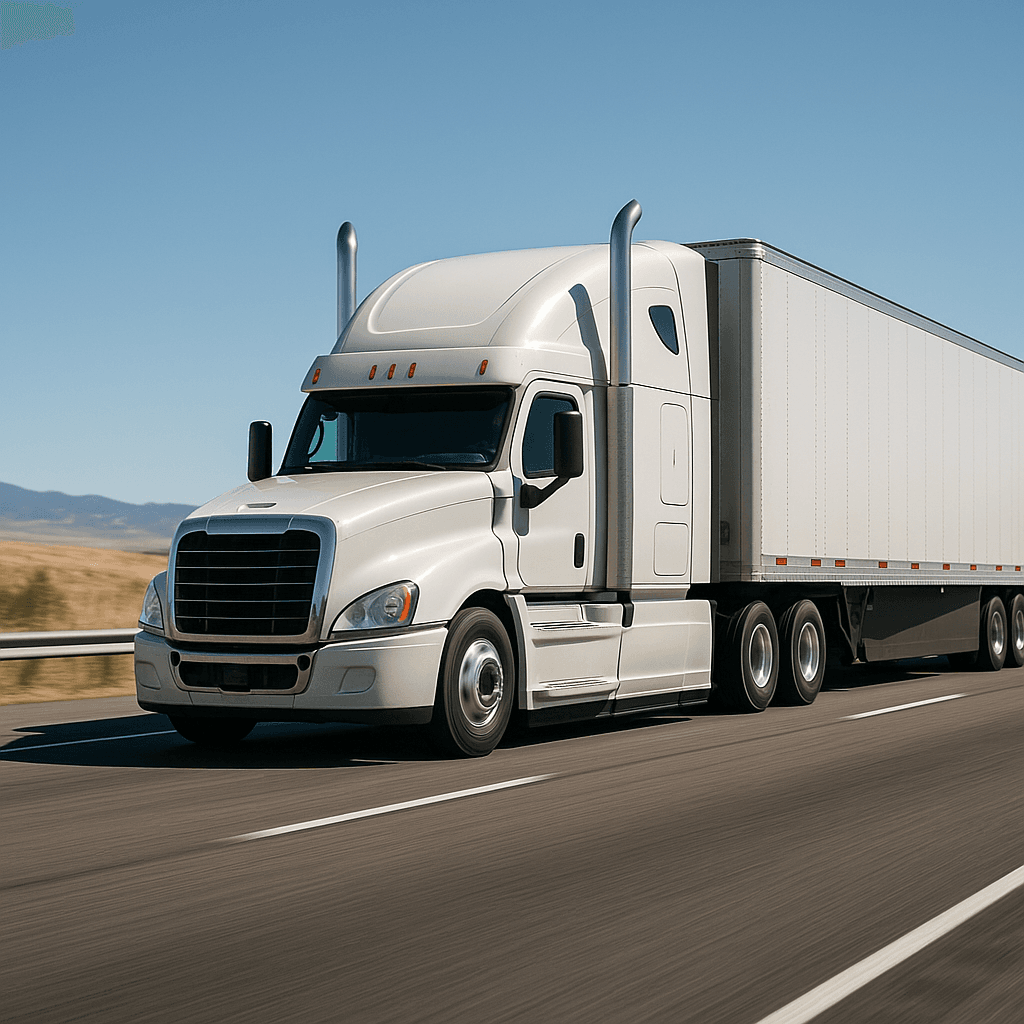
How Much Does It Cost to Start a Trucking Company in Tennessee?
Low
$27,600
Medium
$73,600
High
$184,000
National average: $30,000 – $200,000
Interactive Startup Cost Calculator
Startup Cost Calculator
Trucking Company in Tennessee
Options
Startup Costs
$77,924
Monthly Costs
$13,800
First Year Total
$243,524
Full Cost Breakdown
| Cost Category | Low | Medium | High | Notes |
|---|---|---|---|---|
| Truck & Trailer | $13,800 | $46,000 | $138,000 | A used sleeper semi is a meaningful five-figure capital purchase; a new tractor is well into six figures. Lease programs are widely available. |
| CDL License | $2,760 | $5,520 | $11,040 | CDL school is typically a low-to-mid four-figure investment; many carriers offer tuition reimbursement. |
| FMCSA Operating Authority | $276 | $552 | $1,380 | Takes 21+ days to get active MC number — start early. |
| Commercial Truck Insurance | $4,600 | $11,040 | $27,600 | Annual premium; new authority truckers pay premium rates — shop multiple carriers. |
| IFTA & State Fuel Tax Registration | $46 | $92 | $276 | Required for trucks operating in multiple states; quarterly fuel tax filings. |
| ELD Device | $184 | $460 | $1,380 | ELDs are federally required for all CMV operators (https://www.fmcsa.dot.gov/hours-service/elds/electronic-logging-devices), billed as a low two-figure ongoing monthly subscription. |
| Load Board Subscriptions | $184 | $460 | $1,104 | Load boards are primary freight source for new owner-operators without direct shipper relationships. |
| Working Capital & Fuel Reserve | $4,600 | $13,800 | $36,800 | Freight factoring takes a low single-digit percentage fee per invoice in exchange for same-day payment while waiting on broker net-30 settlement. |
| Total Startup Cost | $26,450 | $77,924 | $217,580 | Required costs only |
Licenses & Permits in Tennessee
Licenses & Permits in Tennessee
General Business License
Tennessee requires most businesses to obtain a Standard Business License or Minimal Activity License through the Tennessee Department of Revenue. A Standard Business License is required for businesses with annual gross receipts over a state-defined annual revenue threshold while a Minimal Activity License covers businesses with receipts in a smaller state-defined revenue band. Businesses must also register their entity with the Tennessee Secretary of State. Tennessee has no state income tax on wages, which is a significant business advantage. Individual cities and counties also issue local business licenses.
Industry-Specific Licenses
- Food Service Establishment Permit — Tennessee Department of Health — Division of Environmental HealthCost: Varies — contact agency • Renewal: Annual
- Contractor License — Tennessee Board for Licensing ContractorsCost: Varies — contact agency • Renewal: Annual
- Cosmetology Salon License — Tennessee Board of Cosmetology and Barber ExaminersCost: Varies — contact agency • Renewal: Annual
- Real Estate Broker License — Tennessee Real Estate CommissionCost: Varies — contact agency • Renewal: Annual
- Child Care Agency License — Tennessee Department of Human Services — Child Care ServicesCost: Varies — contact agency • Renewal: Annual
- Wine and Beer License — Tennessee Alcoholic Beverage CommissionCost: Varies — contact agency • Renewal: Annual
- Talent Agency License — Tennessee Department of Commerce and InsuranceCost: Varies — contact agency • Renewal: Annual
- Medical Practice License — Tennessee Board of Medical ExaminersCost: Varies — contact agency • Renewal: Annual
Home-Based Business Rules
Tennessee municipalities regulate home-based businesses through local zoning ordinances. Nashville-Davidson County allows home occupations in residential zones with restrictions on customer visits, commercial signage, and non-resident employees. Tennessee's many rural communities are generally very accommodating of home-based businesses. Tennessee's cottage food law, with its comparatively high annual sales cap, is particularly supportive of home-based food businesses.
Monthly Operating Costs
After launch, plan for these ongoing monthly expenses for your Trucking Company:
Low
$5,000/mo
Medium
$15,000/mo
High
$40,000/mo
Revenue Potential
Annual Revenue Range
$100,000 – $700,000 (annual)
Profit Margins
10-25%
Break-Even Timeline
6-18 months
How Tennessee Compares to Neighboring States
Tennessee is one of the more affordable states for launching a Trucking Company, with a cost-of-living index of 92.1 (national average is 100). Compared to neighboring Virginia ($85,600 median startup cost), Tennessee offers lower costs for a Trucking Company.
| State | Est. Cost | LLC Fee |
|---|---|---|
| Tennessee (current) | $73,600 | $300 |
| Virginia | $85,600 | $100 |
| North Carolina | $76,800 | $125 |
| Georgia | $75,200 | $100 |
| Alabama | $64,800 | $200 |
| Mississippi | $61,600 | $50 |
| Arkansas | $64,800 | $45 |
| Missouri | $66,400 | $50 |
| Kentucky | $67,200 | $40 |
Common Mistakes to Avoid
- 1
Insufficient insurance coverage for cargo type
- 2
No freight factoring causing cash flow problems on net-30 loads
- 3
Ignoring HOS regulations causing costly violations
- 4
Operating on broker spot rates without building direct shipper relationships
- 5
Neglecting preventive maintenance leading to costly breakdowns
Next Steps to Launch Your Trucking Company
- 1
Research local zoning requirements in Tennessee
- 2
Register your Trucking Company as an LLC in Tennessee (filing fee: $300)
- 3
Apply for required licenses and permits through the Tennessee Secretary of State
- 4
Secure business insurance appropriate for your Trucking Company
- 5
Open a dedicated business bank account to separate personal and business finances
Frequently Asked Questions
Related Businesses in Tennessee
Start a Trucking Company in Other States
See the national overview for Trucking Company or browse all businesses you can start in Tennessee.