How Much Does It Cost to Start a Trucking Company in Kansas?
Starting a Trucking Company in Kansas typically costs between $24,900 and $166,000, with a median estimate of $66,400. Kansas’s cost of living is 10% below the national average, which helps reduce operating expenses like commercial rent and labor. LLC formation in Kansas costs $160 to file. Most trucking company businesses take 1-4 months to launch.
Last updated: May 2026
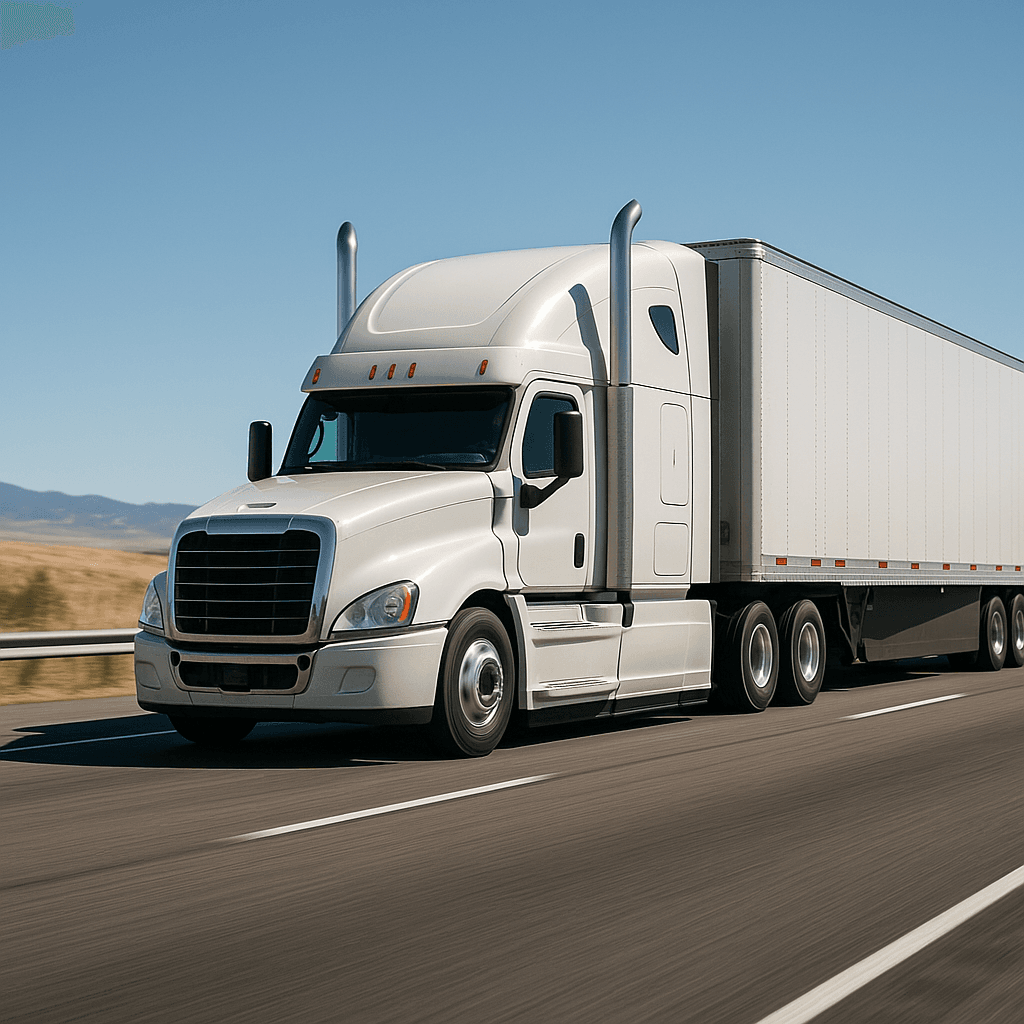
How Much Does It Cost to Start a Trucking Company in Kansas?
Low
$24,900
Medium
$66,400
High
$166,000
National average: $30,000 – $200,000
Interactive Startup Cost Calculator
Startup Cost Calculator
Trucking Company in Kansas
Options
Startup Costs
$70,301
Monthly Costs
$12,450
First Year Total
$219,701
Full Cost Breakdown
| Cost Category | Low | Medium | High | Notes |
|---|---|---|---|---|
| Truck & Trailer | $12,450 | $41,500 | $124,500 | A used sleeper semi is a meaningful five-figure capital purchase; a new tractor is well into six figures. Lease programs are widely available. |
| CDL License | $2,490 | $4,980 | $9,960 | CDL school is typically a low-to-mid four-figure investment; many carriers offer tuition reimbursement. |
| FMCSA Operating Authority | $249 | $498 | $1,245 | Takes 21+ days to get active MC number — start early. |
| Commercial Truck Insurance | $4,150 | $9,960 | $24,900 | Annual premium; new authority truckers pay premium rates — shop multiple carriers. |
| IFTA & State Fuel Tax Registration | $42 | $83 | $249 | Required for trucks operating in multiple states; quarterly fuel tax filings. |
| ELD Device | $166 | $415 | $1,245 | ELDs are federally required for all CMV operators (https://www.fmcsa.dot.gov/hours-service/elds/electronic-logging-devices), billed as a low two-figure ongoing monthly subscription. |
| Load Board Subscriptions | $166 | $415 | $996 | Load boards are primary freight source for new owner-operators without direct shipper relationships. |
| Working Capital & Fuel Reserve | $4,150 | $12,450 | $33,200 | Freight factoring takes a low single-digit percentage fee per invoice in exchange for same-day payment while waiting on broker net-30 settlement. |
| Total Startup Cost | $23,863 | $70,301 | $196,295 | Required costs only |
Licenses & Permits in Kansas
Licenses & Permits in Kansas
General Business License
Kansas does not have a statewide general business license. Businesses must register their entity with the Kansas Secretary of State and register with the Kansas Department of Revenue for sales tax purposes if selling taxable goods or services. Some Kansas cities require a local business license — Wichita, Overland Park, and Kansas City (Kansas) have their own licensing requirements. The state offers a one-stop business registration portal at KSBizCenter.org.
Industry-Specific Licenses
- Food Service Establishment License — Kansas Department of Agriculture — Division of Food SafetyCost: Varies — contact agency • Renewal: Annual
- Contractor Registration — Kansas Office of the State Fire Marshal or Local JurisdictionCost: Varies — contact agency • Renewal: Annual
- Cosmetology Establishment License — Kansas Board of CosmetologyCost: Varies — contact agency • Renewal: Annual
- Real Estate Broker License — Kansas Real Estate CommissionCost: Varies — contact agency • Renewal: Biennial
- Child Care Center License — Kansas Department for Children and FamiliesCost: Varies — contact agency • Renewal: Annual
- Fertilizer License — Kansas Department of AgricultureCost: Varies — contact agency • Renewal: Annual
- Retail Liquor License — Kansas Division of Alcoholic Beverage ControlCost: Varies — contact agency • Renewal: Annual
- Motor Carrier Permit — Kansas Department of Revenue — Motor CarrierCost: Varies — contact agency • Renewal: Annual
Home-Based Business Rules
Home-based businesses in Kansas are regulated by local zoning ordinances in incorporated municipalities. Kansas's many small towns and rural communities are generally accommodating of home-based businesses. Wichita and larger Kansas cities allow home occupations with restrictions on commercial signage, customer traffic, and the proportion of home space used for business. Kansas's cottage food law supports home-based food production with direct consumer sales.
Monthly Operating Costs
After launch, plan for these ongoing monthly expenses for your Trucking Company:
Low
$5,000/mo
Medium
$15,000/mo
High
$40,000/mo
Revenue Potential
Annual Revenue Range
$100,000 – $700,000 (annual)
Profit Margins
10-25%
Break-Even Timeline
6-18 months
How Kansas Compares to Neighboring States
Kansas is one of the more affordable states for launching a Trucking Company, with a cost-of-living index of 89.8 (national average is 100). Compared to neighboring Nebraska ($68,000 median startup cost), Kansas offers lower costs for a Trucking Company.
Common Mistakes to Avoid
- 1
Insufficient insurance coverage for cargo type
- 2
No freight factoring causing cash flow problems on net-30 loads
- 3
Ignoring HOS regulations causing costly violations
- 4
Operating on broker spot rates without building direct shipper relationships
- 5
Neglecting preventive maintenance leading to costly breakdowns
Next Steps to Launch Your Trucking Company
- 1
Research local zoning requirements in Kansas
- 2
Register your Trucking Company as an LLC in Kansas (filing fee: $160)
- 3
Apply for required licenses and permits through the Kansas Secretary of State
- 4
Secure business insurance appropriate for your Trucking Company
- 5
Open a dedicated business bank account to separate personal and business finances
Frequently Asked Questions
Related Businesses in Kansas
Start a Trucking Company in Other States
See the national overview for Trucking Company or browse all businesses you can start in Kansas.