How Much Does It Cost to Start a Food Delivery Service in Tennessee?
Starting a Food Delivery Service in Tennessee typically costs between $9,200 and $119,600, with a median estimate of $47,840. Tennessee’s cost of living is 8% below the national average, which helps reduce operating expenses like commercial rent and labor. LLC formation in Tennessee costs $300 to file. Most food delivery service businesses take 1-3 months to launch.
Last updated: May 2026
How Much Does It Cost to Start a Food Delivery Service in Tennessee?
Low
$9,200
Medium
$47,840
High
$119,600
National average: $10,000 – $130,000
Interactive Startup Cost Calculator
Startup Cost Calculator
Food Delivery Service in Tennessee
Options
Startup Costs
$48,300
Monthly Costs
$9,200
First Year Total
$158,700
Full Cost Breakdown
| Cost Category | Low | Medium | High | Notes |
|---|---|---|---|---|
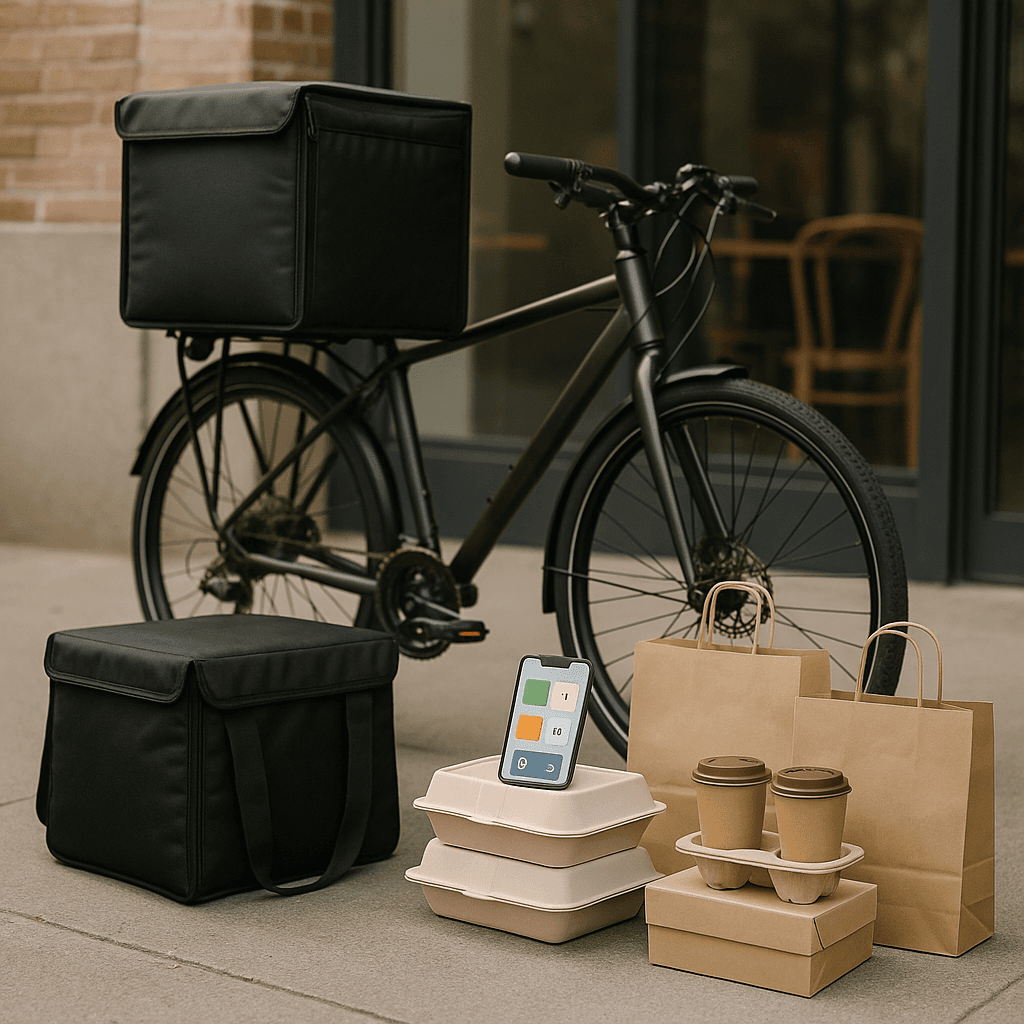
| Delivery Vehicles | $1,840 | $13,800 | $55,200 | Bike and e-bike fleets are a low-to-mid four-figure per-unit capital purchase for local delivery. Vans for meal kit delivery are individual five-figure capital line items. |
| Technology Platform | $1,840 | $9,200 | $36,800 | Using existing platforms like DoorDash or Uber Eats avoids app development costs but the platform takes a substantial percentage of every order. |
| Insurance | $1,380 | $4,600 | $13,800 | Commercial auto is mandatory for delivery businesses. Personal auto policies exclude commercial use. |
| Licenses & Permits | $184 | $920 | $3,680 | Requirements vary by city. Some cities require delivery business licenses and driver background checks. |
| Marketing & Customer Acquisition | $1,840 | $7,360 | $23,000 | First-order acquisition cost varies meaningfully by channel and creative. Focus on repeat order LTV — break-even on the first order is the wrong unit-economic frame. |
| Working Capital Reserve | $2,760 | $9,200 | $27,600 | Delivery businesses need cash flow for driver payments before customer revenue stabilizes. |
| Packaging & Delivery Supplies | $460 | $1,840 | $5,520 | Insulated bags are an inexpensive per-unit cost but essential for food quality. Tamper-evident seals are required by most restaurant partners. |
| Dispatch & Communication Systems | $184 | $1,380 | $4,600 | Tools like Tookan, Routific, or Onfleet are billed on monthly subscriptions that scale with driver count and provide real-time tracking and route optimization. |
| Total Startup Cost | $10,488 | $48,300 | $170,200 | Required costs only |
Licenses & Permits in Tennessee
Licenses & Permits in Tennessee
General Business License
Tennessee requires most businesses to obtain a Standard Business License or Minimal Activity License through the Tennessee Department of Revenue. A Standard Business License is required for businesses with annual gross receipts over a state-defined annual revenue threshold while a Minimal Activity License covers businesses with receipts in a smaller state-defined revenue band. Businesses must also register their entity with the Tennessee Secretary of State. Tennessee has no state income tax on wages, which is a significant business advantage. Individual cities and counties also issue local business licenses.
Industry-Specific Licenses
- Food Service Establishment Permit — Tennessee Department of Health — Division of Environmental HealthCost: Varies — contact agency • Renewal: Annual
- Contractor License — Tennessee Board for Licensing ContractorsCost: Varies — contact agency • Renewal: Annual
- Cosmetology Salon License — Tennessee Board of Cosmetology and Barber ExaminersCost: Varies — contact agency • Renewal: Annual
- Real Estate Broker License — Tennessee Real Estate CommissionCost: Varies — contact agency • Renewal: Annual
- Child Care Agency License — Tennessee Department of Human Services — Child Care ServicesCost: Varies — contact agency • Renewal: Annual
- Wine and Beer License — Tennessee Alcoholic Beverage CommissionCost: Varies — contact agency • Renewal: Annual
- Talent Agency License — Tennessee Department of Commerce and InsuranceCost: Varies — contact agency • Renewal: Annual
- Medical Practice License — Tennessee Board of Medical ExaminersCost: Varies — contact agency • Renewal: Annual
Home-Based Business Rules
Tennessee municipalities regulate home-based businesses through local zoning ordinances. Nashville-Davidson County allows home occupations in residential zones with restrictions on customer visits, commercial signage, and non-resident employees. Tennessee's many rural communities are generally very accommodating of home-based businesses. Tennessee's cottage food law, with its comparatively high annual sales cap, is particularly supportive of home-based food businesses.
Monthly Operating Costs
After launch, plan for these ongoing monthly expenses for your Food Delivery Service:
Low
$3,000/mo
Medium
$10,000/mo
High
$30,000/mo
Revenue Potential
Annual Revenue Range
$50,000 – $800,000 (annual)
Profit Margins
1-5%
Break-Even Timeline
6-18 months
How Tennessee Compares to Neighboring States
Tennessee is one of the more affordable states for launching a Food Delivery Service, with a cost-of-living index of 92.1 (national average is 100). Compared to neighboring Virginia ($55,640 median startup cost), Tennessee offers lower costs for a Food Delivery Service.
| State | Est. Cost | LLC Fee |
|---|---|---|
| Tennessee (current) | $47,840 | $300 |
| Virginia | $55,640 | $100 |
| North Carolina | $49,920 | $125 |
| Georgia | $48,880 | $100 |
| Alabama | $42,120 | $200 |
| Mississippi | $40,040 | $50 |
| Arkansas | $42,120 | $45 |
| Missouri | $43,160 | $50 |
| Kentucky | $43,680 | $40 |
Common Mistakes to Avoid
- 1
Underestimating platform commission rates — DoorDash, Uber Eats, and Grubhub each take a substantial percentage of every order, which destroys margins on small-ticket deliveries
- 2
Not vetting drivers thoroughly — one bad delivery driver causes customer churn and liability
- 3
Ignoring delivery radius economics — longer zones increase costs faster than revenue
- 4
Failing to build direct ordering channel — platform dependency puts the business at risk
- 5
Not calculating per-delivery economics from day one — know your unit economics before scaling
Next Steps to Launch Your Food Delivery Service
- 1
Register your Food Delivery Service as an LLC with the Tennessee Secretary of State ($300 filing fee)
- 2
Obtain a Tennessee business license and any required local courier or delivery service permits
- 3
Set up commercial auto insurance or a delivery fleet policy for all delivery drivers; premiums scale with vehicle count
- 4
Integrate with major platforms (DoorDash, Uber Eats, Grubhub) or build your own white-label ordering app
- 5
Establish restaurant partnerships — negotiate commission rates and define pickup/delivery logistics
- 6
Set up a driver management system with GPS tracking, route optimization, and real-time dispatch
- 7
Apply for a Tennessee sales tax permit if you collect and remit sales tax on food orders
- 8
Launch a driver incentive program and background check system before hiring your first delivery fleet
Frequently Asked Questions
Related Businesses in Tennessee
Food Truck
Food & Beverage$45,000 – $200,000
View in Tennessee →
Ghost Kitchen
Food & Beverage$20,000 – $150,000
View in Tennessee →
Meal Prep Business
Food & Beverage$20,000 – $200,000
View in Tennessee →
Restaurant
Food & Beverage$175,000 – $750,000
View in Tennessee →
Catering Business
Food & Beverage$12,000 – $130,000
View in Tennessee →
Start a Food Delivery Service in Other States
See the national overview for Food Delivery Service or browse all businesses you can start in Tennessee.