How Much Does It Cost to Start a Food Delivery Service in Florida?
Starting a Food Delivery Service in Florida typically costs between $11,200 and $145,600, with a median estimate of $58,240. Florida’s cost of living runs 3% above the national average, which increases commercial rent and labor costs. LLC formation in Florida costs $125 to file. Most food delivery service businesses take 1-3 months to launch.
Last updated: May 2026
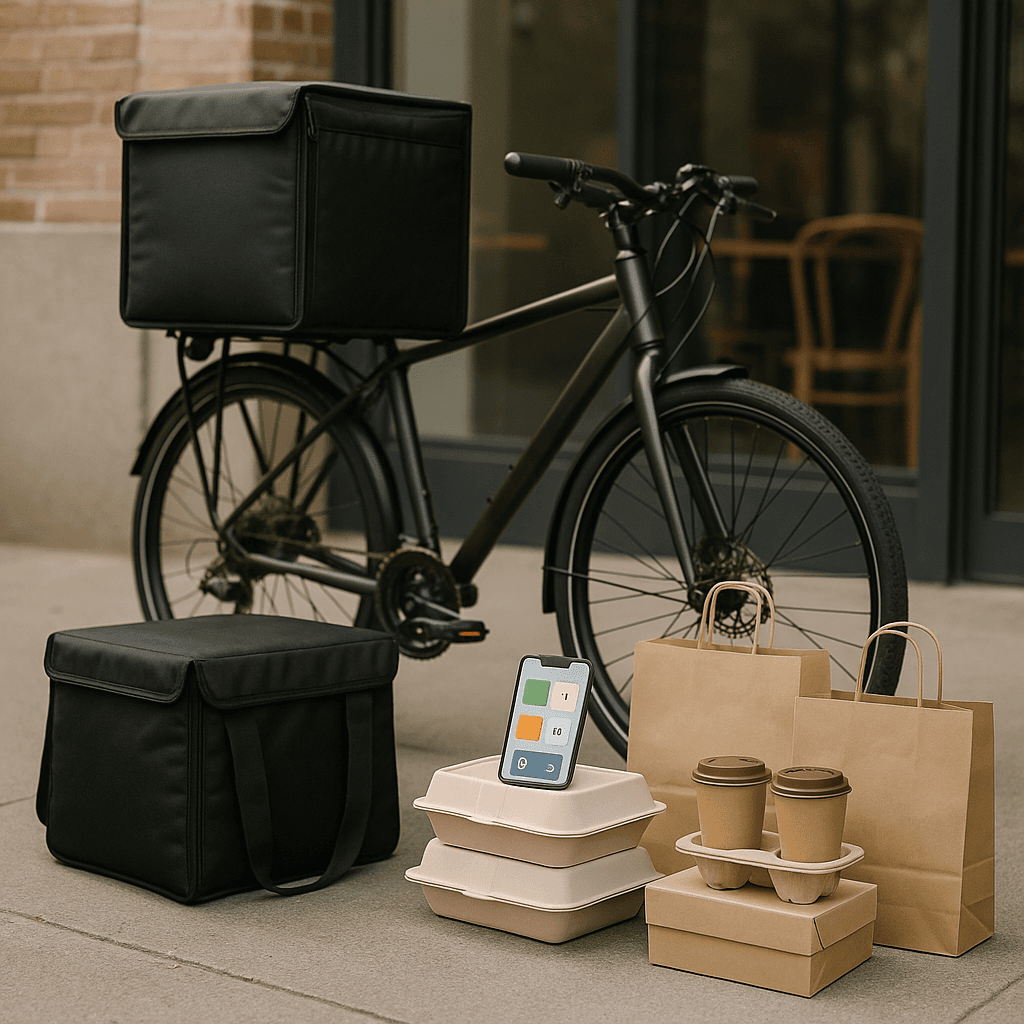
How Much Does It Cost to Start a Food Delivery Service in Florida?
Low
$11,200
Medium
$58,240
High
$145,600
National average: $10,000 – $130,000
Interactive Startup Cost Calculator
Startup Cost Calculator
Food Delivery Service in Florida
Options
Startup Costs
$58,800
Monthly Costs
$11,200
First Year Total
$193,200
Full Cost Breakdown
| Cost Category | Low | Medium | High | Notes |
|---|---|---|---|---|
| Delivery Vehicles | $2,240 | $16,800 | $67,200 | Bike and e-bike fleets are a low-to-mid four-figure per-unit capital purchase for local delivery. Vans for meal kit delivery are individual five-figure capital line items. |
| Technology Platform | $2,240 | $11,200 | $44,800 | Using existing platforms like DoorDash or Uber Eats avoids app development costs but the platform takes a substantial percentage of every order. |
| Insurance | $1,680 | $5,600 | $16,800 | Commercial auto is mandatory for delivery businesses. Personal auto policies exclude commercial use. |
| Licenses & Permits | $224 | $1,120 | $4,480 | Requirements vary by city. Some cities require delivery business licenses and driver background checks. |
| Marketing & Customer Acquisition | $2,240 | $8,960 | $28,000 | First-order acquisition cost varies meaningfully by channel and creative. Focus on repeat order LTV — break-even on the first order is the wrong unit-economic frame. |
| Working Capital Reserve | $3,360 | $11,200 | $33,600 | Delivery businesses need cash flow for driver payments before customer revenue stabilizes. |
| Packaging & Delivery Supplies | $560 | $2,240 | $6,720 | Insulated bags are an inexpensive per-unit cost but essential for food quality. Tamper-evident seals are required by most restaurant partners. |
| Dispatch & Communication Systems | $224 | $1,680 | $5,600 | Tools like Tookan, Routific, or Onfleet are billed on monthly subscriptions that scale with driver count and provide real-time tracking and route optimization. |
| Total Startup Cost | $12,768 | $58,800 | $207,200 | Required costs only |
Licenses & Permits in Florida
Licenses & Permits in Florida
General Business License
Florida requires most businesses to obtain an Annual Resale Certificate and register for sales tax with the Florida Department of Revenue. Many professions require licenses through the Florida Department of Business and Professional Regulation (DBPR). Additionally, Florida counties and cities may require local business tax receipts (formerly called occupational licenses), which carry state-set annual fees that vary depending on business type and location.
Industry-Specific Licenses
- Food Service Establishment License — Florida Department of Business and Professional Regulation — Division of Hotels and RestaurantsCost: Varies — contact agency • Renewal: Annual
- Certified Contractor License — Florida Department of Business and Professional Regulation — ContractorsCost: Varies — contact agency • Renewal: Biennial
- Cosmetology Salon License — Florida Department of Business and Professional Regulation — CosmetologyCost: Varies — contact agency • Renewal: Biennial
- Real Estate Broker License — Florida Real Estate CommissionCost: Varies — contact agency • Renewal: Biennial
- Child Care Facility License — Florida Department of Children and FamiliesCost: Varies — contact agency • Renewal: Annual
- Beverage License — Florida Division of Alcoholic Beverages and TobaccoCost: Varies — contact agency • Renewal: Annual
- Vacation Rental License — Florida Department of Business and Professional RegulationCost: Varies — contact agency • Renewal: Biennial
- Home Health Agency License — Florida Agency for Health Care AdministrationCost: Varies — contact agency • Renewal: Annual
Home-Based Business Rules
Florida municipalities and counties regulate home-based businesses through local zoning ordinances. Florida law (F.S. 559.955) prohibits local governments from banning home-based businesses entirely, but allows reasonable regulations regarding customer visits, signage, and storage. Many Florida counties have updated their home occupation ordinances to allow more types of businesses while limiting impact on neighbors.
Monthly Operating Costs
After launch, plan for these ongoing monthly expenses for your Food Delivery Service:
Low
$3,000/mo
Medium
$10,000/mo
High
$30,000/mo
Revenue Potential
Annual Revenue Range
$50,000 – $800,000 (annual)
Profit Margins
1-5%
Break-Even Timeline
6-18 months
How Florida Compares to Neighboring States
Florida is close to the national average for Food Delivery Service startup costs, with a cost-of-living index of 103.1. Compared to neighboring Georgia ($48,880 median startup cost), Florida has higher costs for a Food Delivery Service.
Common Mistakes to Avoid
- 1
Underestimating platform commission rates — DoorDash, Uber Eats, and Grubhub each take a substantial percentage of every order, which destroys margins on small-ticket deliveries
- 2
Not vetting drivers thoroughly — one bad delivery driver causes customer churn and liability
- 3
Ignoring delivery radius economics — longer zones increase costs faster than revenue
- 4
Failing to build direct ordering channel — platform dependency puts the business at risk
- 5
Not calculating per-delivery economics from day one — know your unit economics before scaling
Next Steps to Launch Your Food Delivery Service
- 1
Register your Food Delivery Service as an LLC with the Florida Secretary of State ($125 filing fee)
- 2
Obtain a Florida business license and any required local courier or delivery service permits
- 3
Set up commercial auto insurance or a delivery fleet policy for all delivery drivers; premiums scale with vehicle count
- 4
Integrate with major platforms (DoorDash, Uber Eats, Grubhub) or build your own white-label ordering app
- 5
Establish restaurant partnerships — negotiate commission rates and define pickup/delivery logistics
- 6
Set up a driver management system with GPS tracking, route optimization, and real-time dispatch
- 7
Apply for a Florida sales tax permit if you collect and remit sales tax on food orders
- 8
Launch a driver incentive program and background check system before hiring your first delivery fleet
Frequently Asked Questions
Related Businesses in Florida
Food Truck
Food & Beverage$45,000 – $200,000
View in Florida →
Ghost Kitchen
Food & Beverage$20,000 – $150,000
View in Florida →
Meal Prep Business
Food & Beverage$20,000 – $200,000
View in Florida →
Restaurant
Food & Beverage$175,000 – $750,000
View in Florida →
Catering Business
Food & Beverage$12,000 – $130,000
View in Florida →
Start a Food Delivery Service in Other States
See the national overview for Food Delivery Service or browse all businesses you can start in Florida.