How Much Does It Cost to Start a Dental Practice in Tennessee?
Starting a Dental Practice in Tennessee typically costs between $322,000 and $920,000, with a median estimate of $460,000. Tennessee’s cost of living is 8% below the national average, which helps reduce operating expenses like commercial rent and labor. LLC formation in Tennessee costs $300 to file. Most dental practice businesses take 6-12 months to launch.
Last updated: May 2026
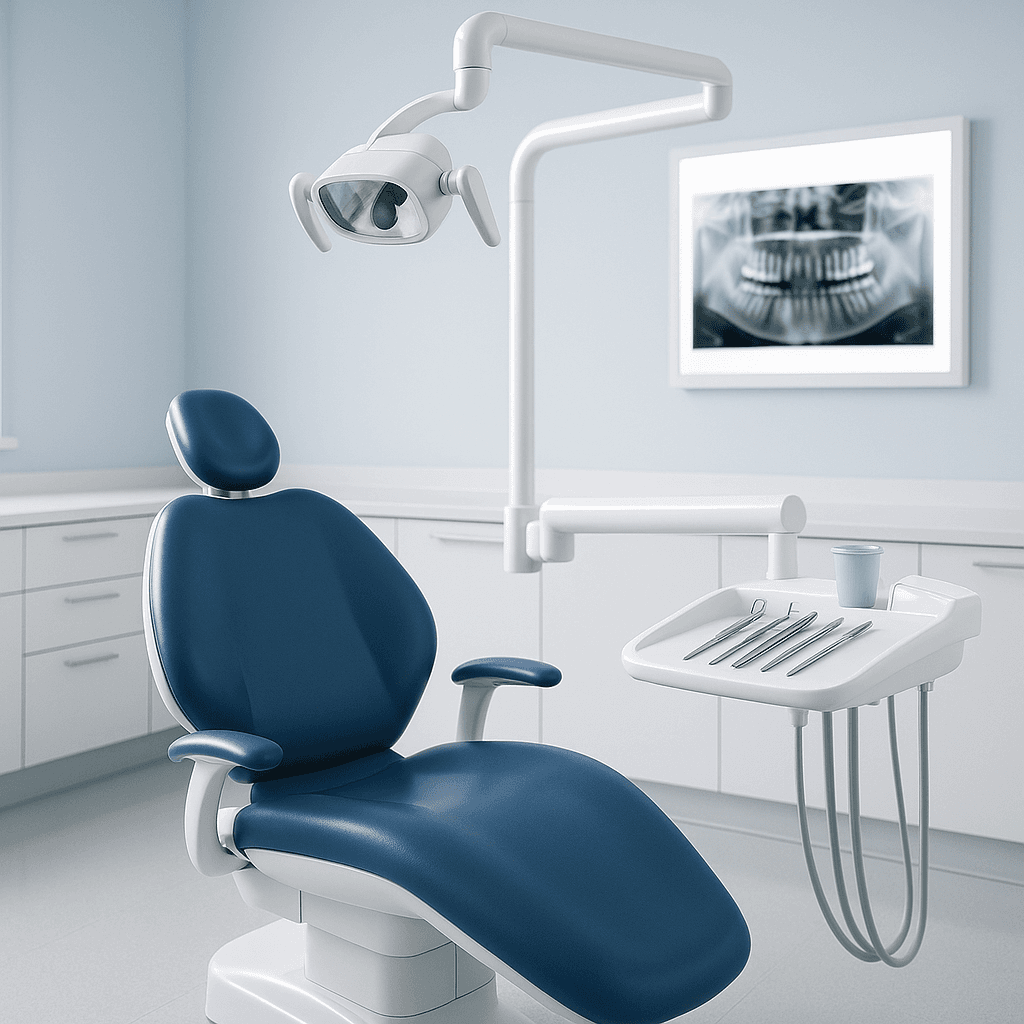
How Much Does It Cost to Start a Dental Practice in Tennessee?
Low
$322,000
Medium
$460,000
High
$920,000
National average: $350,000 – $1,000,000
Interactive Startup Cost Calculator
Startup Cost Calculator
Dental Practice in Tennessee
Options
Startup Costs
$531,760
Monthly Costs
$46,000
First Year Total
$1,083,760
Full Cost Breakdown
| Cost Category | Low | Medium | High | Notes |
|---|---|---|---|---|
| Office Space Lease & Build-Out | $101,200 | $184,000 | $460,000 | Dental build-out runs significantly higher per square foot than retail or general office space because of plumbing for each operatory, dedicated suction and compressor lines, and OSHA-compliant sterilization area. A 2,000 sq ft practice with four operatories typically requires a multi-hundred-thousand-dollar build-out budget. |
| Dental Equipment & Technology | $128,800 | $184,000 | $414,000 | A fully equipped operatory (chair, delivery unit, lighting, compressor share) typically runs in the tens of thousands per chair. Digital intraoral X-ray sensors and panoramic X-ray units are separate line items priced in similar ranges. A CBCT (cone-beam computed tomography) scanner is the most expensive single piece of capital equipment in a general practice and can run into six figures. |
| Dental Software & Technology | $7,360 | $13,800 | $32,200 | Dentrix and Eaglesoft are the dominant practice management platforms, typically licensed with a meaningful upfront cost plus ongoing monthly support. Budget realistically for implementation, data migration, and staff training time. |
| Dental Supplies & Inventory | $18,400 | $27,600 | $55,200 | Dental supply spend typically runs as a low single-digit percentage of production for a well-managed practice. Order a 2-month supply to start. |
| Licenses & Credentialing | $2,760 | $4,600 | $13,800 | Insurance credentialing takes 60-180 days. Apply 6 months before opening. Each month a practice operates without credentialing represents meaningful deferred revenue, since most insured patients will not pay out-of-pocket when an in-network alternative exists. |
| Malpractice Insurance | $4,600 | $7,360 | $18,400 | Dental malpractice premiums for a general dentist are typically a low four-figure annual cost — substantially less than physician malpractice. Specialists (oral surgery, endodontics, orthodontics) pay more. Tail coverage adds cost when leaving a claims-made policy. |
| Marketing & Patient Acquisition | $8,280 | $18,400 | $55,200 | Dental keywords are competitive on Google Ads and patient acquisition costs vary widely by geography and specialty. Practices generally target 50+ new patients per month during the growth phase to ramp production quickly. |
| Working Capital Reserve | $50,600 | $92,000 | $184,000 | Insurance reimbursements lag 30-90 days. Cash-flow planning is critical in early months. |
| Total Startup Cost | $322,000 | $531,760 | $1,232,800 | Required costs only |
Licenses & Permits in Tennessee
Licenses & Permits in Tennessee
General Business License
Tennessee requires most businesses to obtain a Standard Business License or Minimal Activity License through the Tennessee Department of Revenue. A Standard Business License is required for businesses with annual gross receipts over a state-defined annual revenue threshold while a Minimal Activity License covers businesses with receipts in a smaller state-defined revenue band. Businesses must also register their entity with the Tennessee Secretary of State. Tennessee has no state income tax on wages, which is a significant business advantage. Individual cities and counties also issue local business licenses.
Industry-Specific Licenses
- Food Service Establishment Permit — Tennessee Department of Health — Division of Environmental HealthCost: Varies — contact agency • Renewal: Annual
- Contractor License — Tennessee Board for Licensing ContractorsCost: Varies — contact agency • Renewal: Annual
- Cosmetology Salon License — Tennessee Board of Cosmetology and Barber ExaminersCost: Varies — contact agency • Renewal: Annual
- Real Estate Broker License — Tennessee Real Estate CommissionCost: Varies — contact agency • Renewal: Annual
- Child Care Agency License — Tennessee Department of Human Services — Child Care ServicesCost: Varies — contact agency • Renewal: Annual
- Wine and Beer License — Tennessee Alcoholic Beverage CommissionCost: Varies — contact agency • Renewal: Annual
- Talent Agency License — Tennessee Department of Commerce and InsuranceCost: Varies — contact agency • Renewal: Annual
- Medical Practice License — Tennessee Board of Medical ExaminersCost: Varies — contact agency • Renewal: Annual
Home-Based Business Rules
Tennessee municipalities regulate home-based businesses through local zoning ordinances. Nashville-Davidson County allows home occupations in residential zones with restrictions on customer visits, commercial signage, and non-resident employees. Tennessee's many rural communities are generally very accommodating of home-based businesses. Tennessee's cottage food law, with its comparatively high annual sales cap, is particularly supportive of home-based food businesses.
Monthly Operating Costs
After launch, plan for these ongoing monthly expenses for your Dental Practice:
Low
$20,000/mo
Medium
$50,000/mo
High
$120,000/mo
Revenue Potential
Annual Revenue Range
$400,000 – $2,000,000 (annual)
Profit Margins
20-35%
Break-Even Timeline
18-36 months
How Tennessee Compares to Neighboring States
Tennessee is one of the more affordable states for launching a Dental Practice, with a cost-of-living index of 92.1 (national average is 100). Compared to neighboring Virginia ($535,000 median startup cost), Tennessee offers lower costs for a Dental Practice.
| State | Est. Cost | LLC Fee |
|---|---|---|
| Tennessee (current) | $460,000 | $300 |
| Virginia | $535,000 | $100 |
| North Carolina | $480,000 | $125 |
| Georgia | $470,000 | $100 |
| Alabama | $405,000 | $200 |
| Mississippi | $385,000 | $50 |
| Arkansas | $405,000 | $45 |
| Missouri | $415,000 | $50 |
| Kentucky | $420,000 | $40 |
Common Mistakes to Avoid
- 1
Starting insurance credentialing after signing the lease — credentialing takes 3-6 months and delays revenue
- 2
Buying all new equipment instead of quality refurbished equipment — refurbished chairs, X-ray units, and compressors from reputable resellers can deliver substantial savings on opening capex without sacrificing clinical function
- 3
Underestimating patient acquisition costs in a new market — first-year marketing for a de novo practice typically requires a five- to six-figure budget across paid search, local SEO, and direct mail
- 4
Not hiring an experienced dental practice consultant before opening
- 5
Setting production goals too low — a 4-operatory practice at full chair utilization should target seven-figure annual production; lower targets undercut staffing decisions and revenue cycle planning
Next Steps to Launch Your Dental Practice
- 1
Obtain your Tennessee dental license from the Tennessee Board of Dental Examiners before opening
- 2
Register your Dental Practice as a professional LLC or PLLC with the Tennessee Secretary of State ($300 filing fee)
- 3
Obtain DEA registration for controlled substance prescriptions (anesthetics, pain management) used in your practice
- 4
Credentialing with Delta Dental, Cigna, Aetna, and major dental insurance networks (3–6 month process)
- 5
Get dental malpractice insurance and general liability coverage; premiums vary by specialty and state but are typically a low four-figure annual cost for general dentistry
- 6
Finance dental equipment: dental chairs, digital X-ray sensors, panoramic X-ray unit, CAD/CAM, and autoclave sterilizer
- 7
Set up HIPAA-compliant dental practice management software (Dentrix, Eaglesoft, or similar) with patient portal
- 8
Schedule a pre-opening compliance inspection and confirm your Tennessee OSHA dental office standards are met
Frequently Asked Questions
Related Businesses in Tennessee
Medical Practice
Health & Wellness$150,000 – $1,000,000
View in Tennessee →
Chiropractic Office
Health & Wellness$100,000 – $300,000
View in Tennessee →
Physical Therapy Clinic
Health & Wellness$60,000 – $450,000
View in Tennessee →
Mental Health Practice
Health & Wellness$15,000 – $150,000
View in Tennessee →
Pharmacy
Health & Wellness$250,000 – $1,000,000
View in Tennessee →
Start a Dental Practice in Other States
See the national overview for Dental Practice or browse all businesses you can start in Tennessee.