How Much Does It Cost to Start a Dental Practice?
National Average
Low
$350,000
Medium
$500,000
High
$1,000,000
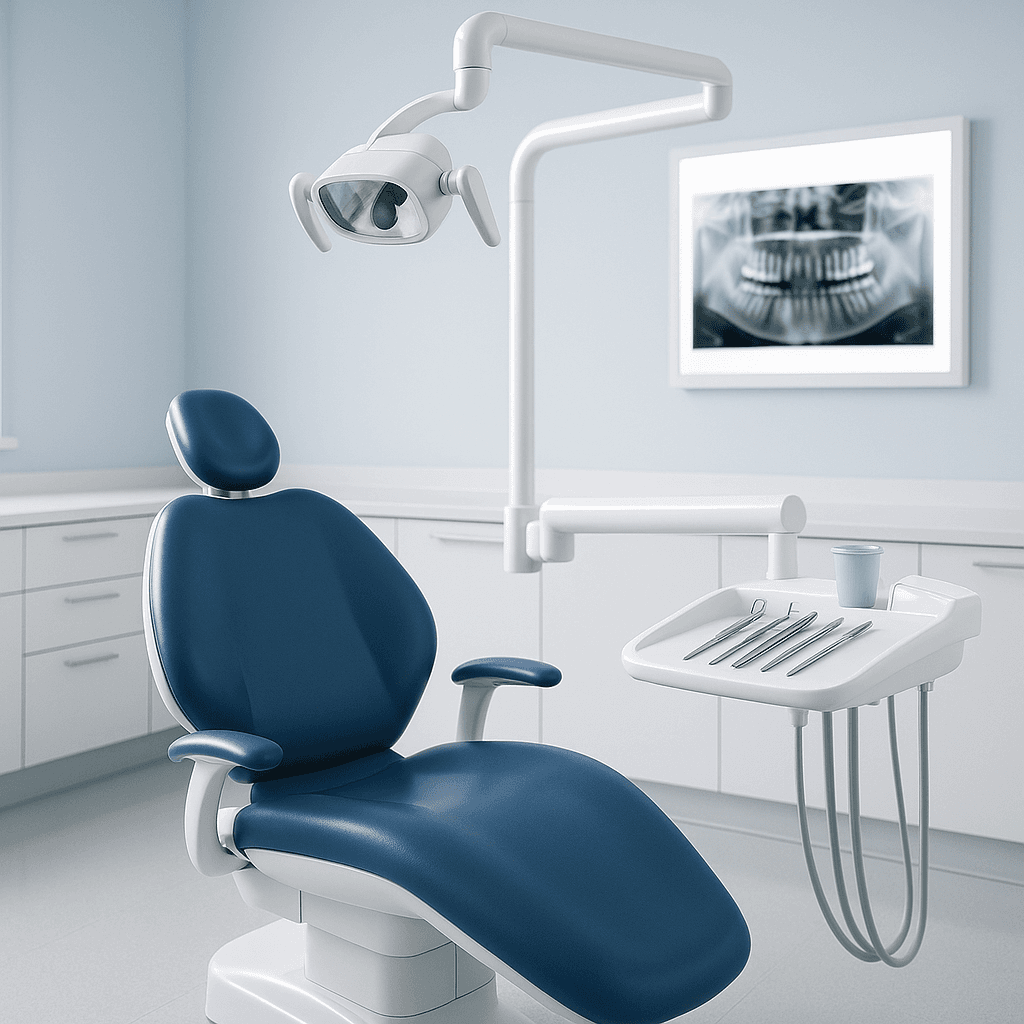
A licensed healthcare business providing preventive, restorative, and cosmetic dental services. Requires significant investment in equipment, operatories, and licensed staff.
Time to Launch
6-12 months
Profit Margins
20-35%
Break-Even Timeline
18-36 months
Interactive Cost Calculator
Select a state below to see state-adjusted costs.
Startup Cost Calculator
Dental Practice in Nationally
Budget:
$200,000
$200,000
$15,000
$30,000
$5,000
$8,000
$20,000
$100,000
Options
Employees:
Startup Costs
$578,000
Monthly Costs
$50,000
First Year Total
$1,178,000
Startup Costs by State
| State | Low | Medium | High | LLC Fee | Sales Tax |
|---|---|---|---|---|---|
| Mississippi | $269,500 | $385,000 | $770,000 | $50 | 7.0% |
| West Virginia | $269,500 | $385,000 | $770,000 | $100 | 6.0% |
| Oklahoma | $280,000 | $400,000 | $800,000 | $100 | 4.5% |
| Alabama | $283,500 | $405,000 | $810,000 | $200 | 4.0% |
| Arkansas | $283,500 | $405,000 | $810,000 | $45 | 6.5% |
| North Dakota | $287,000 | $410,000 | $820,000 | $135 | 5.0% |
| Iowa | $290,500 | $415,000 | $830,000 | $50 | 6.0% |
| Kansas | $290,500 | $415,000 | $830,000 | $160 | 6.5% |
| Missouri | $290,500 | $415,000 | $830,000 | $50 | 4.2% |
| South Dakota | $290,500 | $415,000 | $830,000 | $150 | 4.2% |
| Kentucky | $294,000 | $420,000 | $840,000 | $40 | 6.0% |
| Louisiana | $294,000 | $420,000 | $840,000 | $100 | 5.0% |
| Wyoming | $294,000 | $420,000 | $840,000 | $100 | 4.0% |
| Nebraska | $297,500 | $425,000 | $850,000 | $105 | 5.5% |
| Indiana | $301,000 | $430,000 | $860,000 | $95 | 7.0% |
| Michigan | $308,000 | $440,000 | $880,000 | $50 | 6.0% |
| Ohio | $308,000 | $440,000 | $880,000 | $99 | 5.8% |
| New Mexico | $315,000 | $450,000 | $900,000 | $50 | 4.9% |
| South Carolina | $315,000 | $450,000 | $900,000 | $110 | 6.0% |
| Wisconsin | $318,500 | $455,000 | $910,000 | $130 | 5.0% |
| Tennessee | $322,000 | $460,000 | $920,000 | $300 | 7.0% |
| Texas | $322,000 | $460,000 | $920,000 | $300 | 6.3% |
| Georgia | $329,000 | $470,000 | $940,000 | $100 | 4.0% |
| Minnesota | $329,000 | $470,000 | $940,000 | $155 | 6.9% |
| Illinois | $332,500 | $475,000 | $950,000 | $150 | 6.3% |
| Idaho | $336,000 | $480,000 | $960,000 | $100 | 6.0% |
| North Carolina | $336,000 | $480,000 | $960,000 | $125 | 4.8% |
| Pennsylvania | $336,000 | $480,000 | $960,000 | $125 | 6.0% |
| Montana | $339,500 | $485,000 | $970,000 | $35 | 0.0% |
| Utah | $350,000 | $500,000 | $1,000,000 | $54 | 6.1% |
| Delaware | $364,000 | $520,000 | $1,040,000 | $110 | 0.0% |
| Nevada | $367,500 | $525,000 | $1,050,000 | $425 | 6.8% |
| Virginia | $374,500 | $535,000 | $1,070,000 | $100 | 5.3% |
| Vermont | $381,500 | $545,000 | $1,090,000 | $125 | 6.0% |
| Arizona | $385,000 | $550,000 | $1,100,000 | $50 | 5.6% |
| Colorado | $385,000 | $550,000 | $1,100,000 | $50 | 2.9% |
| Florida | $392,000 | $560,000 | $1,120,000 | $125 | 6.0% |
| Oregon | $392,000 | $560,000 | $1,120,000 | $100 | 0.0% |
| Rhode Island | $392,000 | $560,000 | $1,120,000 | $150 | 7.0% |
| Maine | $399,000 | $570,000 | $1,140,000 | $175 | 5.5% |
| New Hampshire | $409,500 | $585,000 | $1,170,000 | $102 | 0.0% |
| Washington | $413,000 | $590,000 | $1,180,000 | $200 | 6.5% |
| Connecticut | $416,500 | $595,000 | $1,190,000 | $120 | 6.3% |
| Maryland | $423,500 | $605,000 | $1,210,000 | $100 | 6.0% |
| New Jersey | $437,500 | $625,000 | $1,250,000 | $125 | 6.6% |
| Alaska | $444,500 | $635,000 | $1,270,000 | $250 | 0.0% |
| New York | $486,500 | $695,000 | $1,390,000 | $200 | 4.0% |
| California | $532,000 | $760,000 | $1,520,000 | $70 | 7.3% |
| Massachusetts | $539,000 | $770,000 | $1,540,000 | $500 | 6.3% |
| Hawaii | $675,500 | $965,000 | $1,930,000 | $50 | 4.0% |
Cheapest & Most Expensive States
5 Cheapest States
- Mississippi$385,000
- West Virginia$385,000
- Oklahoma$400,000
- Alabama$405,000
- Arkansas$405,000
5 Most Expensive States
- Hawaii$965,000
- Massachusetts$770,000
- California$760,000
- New York$695,000
- Alaska$635,000
Frequently Asked Questions
Opening a dental practice generally requires a substantial six-figure investment, with a wide range driven by operatory count, technology level, and whether equipment is new or quality-refurbished. A modest 2-3 operatory starter practice can open at the lower end of the range using some refurbished equipment. A modern 4-6 operatory practice with all new technology requires materially more. A large group practice can require a seven-figure budget. Use the calculator on this page to model your specific scenario.
Buying an established practice — typically priced at a multiple of trailing collections — provides immediate patient revenue, existing staff, and proven systems. Starting from scratch (de novo) often costs in a similar range but takes 3-5 years to build comparable revenue. Most new graduates are better served buying an existing practice if they can negotiate the deal terms well.
General dentist practice owners in established practices generally earn well into the mid-to-high six figures annually in take-home compensation when salary and practice profits are combined. Owner take-home is typically a meaningful share of total practice production after staff, supplies, lab, and rent. Specialists (orthodontists, oral surgeons, endodontists) earn materially more in established practices.
Insurance credentialing takes 60-180 days per insurer. Apply to all major payers (Delta Dental, Cigna, Aetna, United Healthcare) at least 6 months before opening. Not being credentialed means patients with insurance cannot use their benefits at your office, severely limiting new patient flow.
Essential equipment per operatory includes a dental chair with delivery unit, digital X-ray sensor, autoclave/sterilization equipment, dental compressor (often shared across operatories), and operatory lighting. A practice-wide panoramic X-ray unit is a separate higher-cost item. The cost-breakdown table on this page shows the typical low/mid/high budget per operatory.
Related Businesses
Medical Practice
Health & Wellness$150,000 – $1,000,000
View national costs →
Chiropractic Office
Health & Wellness$100,000 – $300,000
View national costs →
Physical Therapy Clinic
Health & Wellness$60,000 – $450,000
View national costs →
Mental Health Practice
Health & Wellness$15,000 – $150,000
View national costs →
Pharmacy
Health & Wellness$250,000 – $1,000,000
View national costs →