How Much Does It Cost to Start a Used Car Dealership in Tennessee?
Starting a Used Car Dealership in Tennessee typically costs between $46,000 and $552,000, with a median estimate of $184,000. Tennessee’s cost of living is 8% below the national average, which helps reduce operating expenses like commercial rent and labor. LLC formation in Tennessee costs $300 to file. Most used car dealership businesses take 2-6 months to launch.
Last updated: May 2026
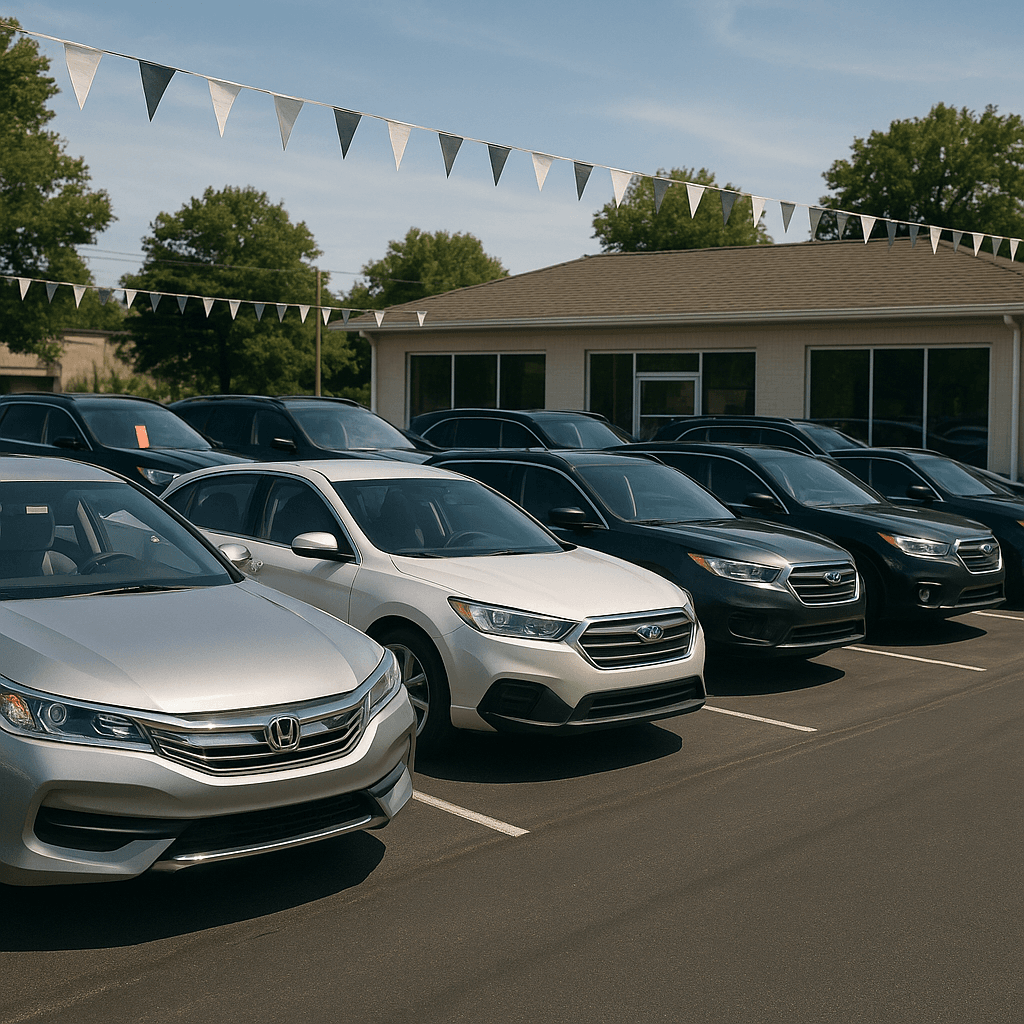
How Much Does It Cost to Start a Used Car Dealership in Tennessee?
Low
$46,000
Medium
$184,000
High
$552,000
National average: $50,000 – $600,000
Interactive Startup Cost Calculator
Startup Cost Calculator
Used Car Dealership in Tennessee
Options
Startup Costs
$170,200
Monthly Costs
$13,800
First Year Total
$335,800
Full Cost Breakdown
| Cost Category | Low | Medium | High | Notes |
|---|---|---|---|---|
| Dealer License & Surety Bond | $920 | $4,600 | $13,800 | Dealer license fees vary materially by state — typically a low to mid four-figure cost when application, plates, and any required pre-licensing course are bundled. Surety bonds are sold at a small percentage of face value, with the premium driven by personal credit. |
| Lot or Showroom Space | $4,600 | $23,000 | $73,600 | Most states require a physical dealer lot. Minimum lot sizes and office requirements vary by state. Many states require five or more display spaces minimum. |
| Vehicle Inventory | $27,600 | $92,000 | $368,000 | Flooring lines of credit from Dealertrack, NextGear, or local banks finance the bulk of inventory. The average per-vehicle acquisition cost varies widely by segment — a budget used-car lot transacts at a meaningfully lower per-unit cost than a near-new pre-owned dealer. |
| Dealer Management Software | $920 | $3,680 | $13,800 | DealerSocket, VinSolutions, and CarBase.Online are popular DMS options billed on monthly subscriptions that scale with inventory and seat count. |
| Dealer Auction Memberships | $460 | $1,840 | $4,600 | Physical auction memberships are typically a low three-figure annual fee. Online platforms (ADESA, Manheim Express) charge per-transaction fees on each unit purchased. |
| Insurance | $2,760 | $9,200 | $27,600 | Lot insurance covers vehicles from theft, weather, and vandalism. Garage liability covers test-drive accidents. Premiums scale with inventory value and lot security. |
| Reconditioning & Detailing | $1,840 | $7,360 | $23,000 | Per-vehicle reconditioning is typically a low-to-mid three-figure-to-low-four-figure cost depending on age and condition. Quality reconditioning reduces time-to-sell and protects gross profit. |
| Marketing & Digital Advertising | $920 | $5,520 | $18,400 | Cars.com (https://www.cars.com/) and AutoTrader (https://www.autotrader.com/) are paid listing platforms billed on monthly subscriptions per dealer that generate qualified buyer leads. Facebook Marketplace is free and extremely effective. |
| Working Capital Reserve | $7,360 | $23,000 | $73,600 | Inventory turns every 45-75 days on average. Flooring interest is charged monthly on the outstanding balance and is one of the largest non-COGS line items in a used-car P&L. |
| Total Startup Cost | $47,380 | $170,200 | $616,400 | Required costs only |
Licenses & Permits in Tennessee
Licenses & Permits in Tennessee
General Business License
Tennessee requires most businesses to obtain a Standard Business License or Minimal Activity License through the Tennessee Department of Revenue. A Standard Business License is required for businesses with annual gross receipts over a state-defined annual revenue threshold while a Minimal Activity License covers businesses with receipts in a smaller state-defined revenue band. Businesses must also register their entity with the Tennessee Secretary of State. Tennessee has no state income tax on wages, which is a significant business advantage. Individual cities and counties also issue local business licenses.
Industry-Specific Licenses
- Food Service Establishment Permit — Tennessee Department of Health — Division of Environmental HealthCost: Varies — contact agency • Renewal: Annual
- Contractor License — Tennessee Board for Licensing ContractorsCost: Varies — contact agency • Renewal: Annual
- Cosmetology Salon License — Tennessee Board of Cosmetology and Barber ExaminersCost: Varies — contact agency • Renewal: Annual
- Real Estate Broker License — Tennessee Real Estate CommissionCost: Varies — contact agency • Renewal: Annual
- Child Care Agency License — Tennessee Department of Human Services — Child Care ServicesCost: Varies — contact agency • Renewal: Annual
- Wine and Beer License — Tennessee Alcoholic Beverage CommissionCost: Varies — contact agency • Renewal: Annual
- Talent Agency License — Tennessee Department of Commerce and InsuranceCost: Varies — contact agency • Renewal: Annual
- Medical Practice License — Tennessee Board of Medical ExaminersCost: Varies — contact agency • Renewal: Annual
Home-Based Business Rules
Tennessee municipalities regulate home-based businesses through local zoning ordinances. Nashville-Davidson County allows home occupations in residential zones with restrictions on customer visits, commercial signage, and non-resident employees. Tennessee's many rural communities are generally very accommodating of home-based businesses. Tennessee's cottage food law, with its comparatively high annual sales cap, is particularly supportive of home-based food businesses.
Monthly Operating Costs
After launch, plan for these ongoing monthly expenses for your Used Car Dealership:
Low
$5,000/mo
Medium
$15,000/mo
High
$50,000/mo
Revenue Potential
Annual Revenue Range
$500,000 – $10,000,000 (annual)
Profit Margins
1-3%
Break-Even Timeline
6-18 months
How Tennessee Compares to Neighboring States
Tennessee is one of the more affordable states for launching a Used Car Dealership, with a cost-of-living index of 92.1 (national average is 100). Compared to neighboring Virginia ($214,000 median startup cost), Tennessee offers lower costs for a Used Car Dealership.
| State | Est. Cost | LLC Fee |
|---|---|---|
| Tennessee (current) | $184,000 | $300 |
| Virginia | $214,000 | $100 |
| North Carolina | $192,000 | $125 |
| Georgia | $188,000 | $100 |
| Alabama | $162,000 | $200 |
| Mississippi | $154,000 | $50 |
| Arkansas | $162,000 | $45 |
| Missouri | $166,000 | $50 |
| Kentucky | $168,000 | $40 |
Common Mistakes to Avoid
- 1
Buying the wrong inventory — research market demand using vAuto or similar tools before buying at auction
- 2
Over-paying at auction — set maximum bid prices and walk away; better deals always come
- 3
Not understanding flooring interest costs — vehicles sitting 90+ days are money-losers even if sold at sticker
- 4
Ignoring state consumer protection laws — lemon law violations result in license suspension
- 5
Not offering financing — dealers who offer buy-here-pay-here or refer to outside lenders capture a meaningful amount of additional profit per sale through F&I products
Next Steps to Launch Your Used Car Dealership
- 1
Research local zoning requirements in Tennessee
- 2
Register your Used Car Dealership as an LLC in Tennessee (filing fee: $300)
- 3
Apply for required licenses and permits through the Tennessee Secretary of State
- 4
Secure business insurance appropriate for your Used Car Dealership
- 5
Open a dedicated business bank account to separate personal and business finances
Frequently Asked Questions
Related Businesses in Tennessee
Auto Repair Shop
Automotive$75,000 – $500,000
View in Tennessee →
Tire Shop
Automotive$50,000 – $400,000
View in Tennessee →
Car Wash
Automotive$124,500 – $1,554,000
View in Tennessee →
Auto Detailing Business
Automotive$5,000 – $100,000
View in Tennessee →
Towing Company
Automotive$50,000 – $400,000
View in Tennessee →
Start a Used Car Dealership in Other States
See the national overview for Used Car Dealership or browse all businesses you can start in Tennessee.