How Much Does It Cost to Start a Roofing Company in Hawaii?
Starting a Roofing Company in Hawaii typically costs between $28,950 and $347,400, with a median estimate of $115,800. Hawaii’s cost of living runs 84% above the national average, which increases commercial rent and labor costs. LLC formation in Hawaii costs $50 to file. Most roofing company businesses take 1-4 months to launch.
Last updated: May 2026
How Much Does It Cost to Start a Roofing Company in Hawaii?
Low
$28,950
Medium
$115,800
High
$347,400
National average: $15,000 – $180,000
Interactive Startup Cost Calculator
Startup Cost Calculator
Roofing Company in Hawaii
Options
Startup Costs
$112,570
Monthly Costs
$19,300
First Year Total
$344,170
Full Cost Breakdown
| Cost Category | Low | Medium | High | Notes |
|---|---|---|---|---|
| Truck & Trailer | $9,650 | $38,600 | $115,800 | A strong pickup truck and flatbed trailer are the minimum. A dump trailer is a meaningful four-figure capital purchase that saves significant labor on tearoff disposal. |
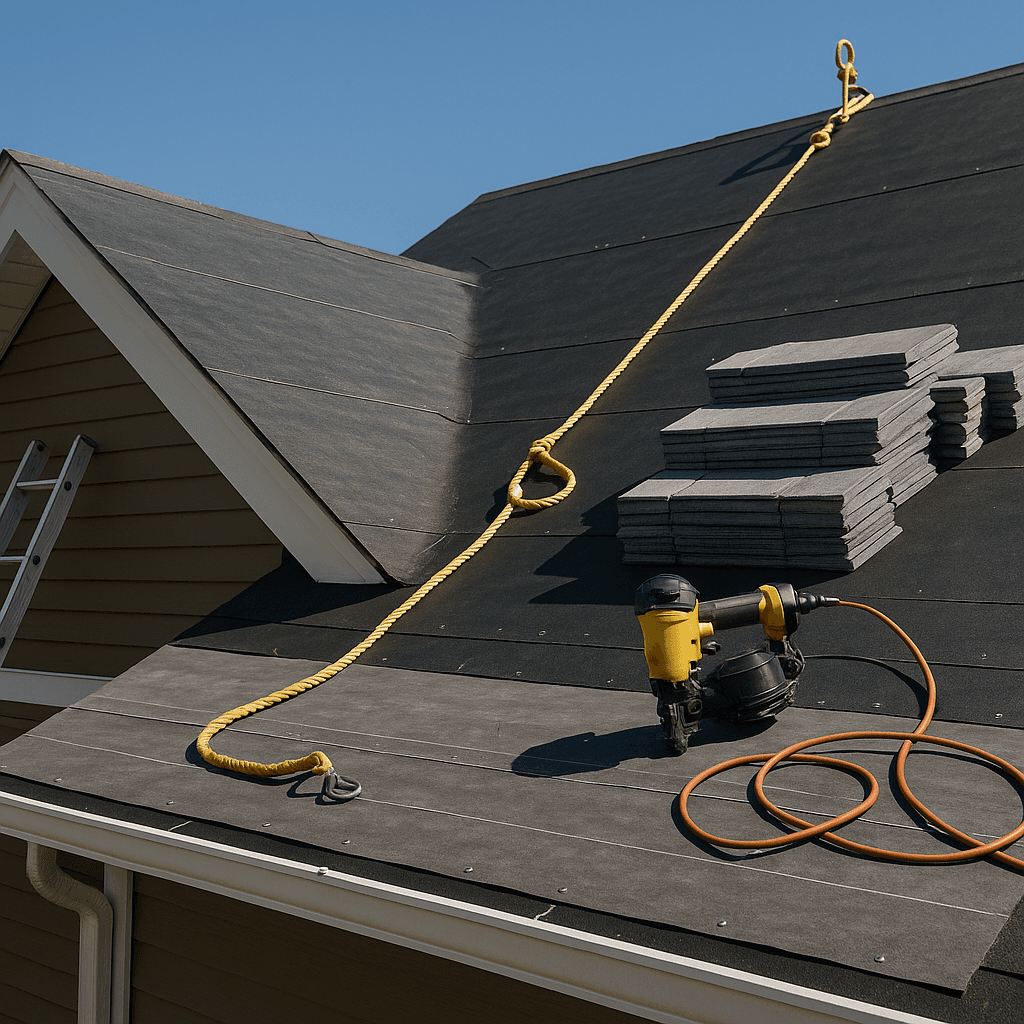
| Roofing Tools & Safety Equipment | $5,790 | $19,300 | $57,900 | Fall protection (harnesses, anchors, guardrails) is OSHA-mandated. Plan a meaningful four-figure cost per crew for proper fall protection equipment. |
| Contractor License & Bond | $965 | $4,825 | $15,440 | Roofing license requirements vary enormously by state. Florida requires roofer-specific license; many states require only general contractor license. |
| Insurance | $6,000 | $18,000 | $60,000 | Roofing is one of the most dangerous trades — workers comp is mandatory and one of the most expensive premiums in the construction trades. Premiums scale with payroll and claims history. |
| Roofing Materials Deposit | $3,860 | $15,440 | $48,250 | Collecting a meaningful customer deposit (typically a third to half of contract value) before ordering materials dramatically reduces working-capital requirements. |
| Dumpster & Disposal Account | $965 | $3,860 | $11,580 | A standard 15-yard dumpster is a low-to-mid three-figure per-job cost. Establishing an account ensures priority delivery during busy seasons. |
| Marketing & Storm Chasing | $1,930 | $9,650 | $28,950 | Post-storm canvassing is the most cost-effective roofing marketing. After any hail or wind event, knock doors in affected areas. |
| Safety Equipment & OSHA Compliance | $965 | $2,895 | $7,720 | Roofing is one of the highest-risk trades — OSHA violations are common and costly. |
| Total Startup Cost | $30,125 | $112,570 | $345,640 | Required costs only |
Licenses & Permits in Hawaii
Licenses & Permits in Hawaii
General Business License
Hawaii requires all businesses to obtain a General Excise Tax (GET) License from the Hawaii Department of Taxation before commencing business. This license covers the state's general excise tax, which is applied to most business activities at a state-set general excise tax rate (slightly higher in Oahu). Additionally, businesses must register with the Hawaii Department of Commerce and Consumer Affairs for entity formation. Some businesses also need a county business license from Honolulu, Maui, Hawaii, or Kauai counties.
Industry-Specific Licenses
- Food Establishment Permit — Hawaii Department of Health — Food and Drug BranchCost: Varies — contact agency • Renewal: Annual
- Contractor's License — Hawaii Contractors License BoardCost: Varies — contact agency • Renewal: Biennial
- Tour Guide Certification — Hawaii Department of Commerce and Consumer AffairsCost: Varies — contact agency • Renewal: Biennial
- Beauty Salon License — Hawaii Board of Barbering and CosmetologyCost: Varies — contact agency • Renewal: Biennial
- Real Estate Broker License — Hawaii Real Estate CommissionCost: Varies — contact agency • Renewal: Biennial
- Agricultural Business License — Hawaii Department of AgricultureCost: Varies — contact agency • Renewal: Annual
- Liquor License — County Liquor Commission (Honolulu, Maui, Hawaii, Kauai)Cost: Varies — contact agency • Renewal: Annual
- Child Care Center License — Hawaii Department of Human Services — Child Care Program OfficeCost: Varies — contact agency • Renewal: Annual
Home-Based Business Rules
Hawaii counties regulate home-based businesses through local zoning ordinances. Honolulu allows home occupations as an accessory use in residential districts with restrictions on customers, signage, and business activities that could affect neighbors. Hawaii's high cost of commercial space makes home-based businesses particularly attractive. The state's cottage food law specifically allows home-based food production and direct sales.
Monthly Operating Costs
After launch, plan for these ongoing monthly expenses for your Roofing Company:
Low
$3,000/mo
Medium
$10,000/mo
High
$30,000/mo
Revenue Potential
Annual Revenue Range
$100,000 – $1,500,000 (annual)
Profit Margins
20-40%
Break-Even Timeline
3-9 months
Common Mistakes to Avoid
- 1
Skimping on fall protection — OSHA per-violation penalties for fall-protection deficiencies are substantial and compound across job sites
- 2
Not requiring insurance certificates from subcontractors — their injuries become your liability
- 3
Accepting insurance jobs without understanding the supplement process — leaving money on the table on every claim
- 4
Undercharging — residential roof replacement is a multi-day, multi-person, materials-heavy job; pricing must cover materials, labor, dumpster, supervision, and reasonable margin
- 5
Not offering financing — most customers need to finance roof replacement; offering it closes more sales
Next Steps to Launch Your Roofing Company
- 1
Research local zoning requirements in Hawaii
- 2
Register your Roofing Company as an LLC in Hawaii (filing fee: $50)
- 3
Apply for required licenses and permits through the Hawaii Secretary of State
- 4
Secure business insurance appropriate for your Roofing Company
- 5
Open a dedicated business bank account to separate personal and business finances
Frequently Asked Questions
Related Businesses in Hawaii
General Contracting Business
Construction & Trades$20,000 – $130,000
View in Hawaii →
Painting Business
Home Services$5,000 – $80,000
View in Hawaii →
Plumbing Business
Home Services$15,000 – $150,000
View in Hawaii →
Electrical Business
Home Services$15,000 – $160,000
View in Hawaii →
Handyman Business
Home Services$2,000 – $33,000
View in Hawaii →
Start a Roofing Company in Other States
See the national overview for Roofing Company or browse all businesses you can start in Hawaii.