How Much Does It Cost to Start a Physical Therapy Clinic in Wisconsin?
Starting a Physical Therapy Clinic in Wisconsin typically costs between $54,600 and $409,500, with a median estimate of $163,800. Wisconsin’s cost of living is 2% below the national average, which helps reduce operating expenses like commercial rent and labor. LLC formation in Wisconsin costs $130 to file. Most physical therapy clinic businesses take 4-8 months to launch.
Last updated: May 2026
How Much Does It Cost to Start a Physical Therapy Clinic in Wisconsin?
Low
$54,600
Medium
$163,800
High
$409,500
National average: $60,000 – $450,000
Interactive Startup Cost Calculator
Startup Cost Calculator
Physical Therapy Clinic in Wisconsin
Options
Startup Costs
$172,900
Monthly Costs
$22,750
First Year Total
$445,900
Full Cost Breakdown
| Cost Category | Low | Medium | High | Notes |
|---|---|---|---|---|
| Clinic Space Lease & Build-Out | $13,650 | $54,600 | $163,800 | PT clinics need 2,000-4,000 sq ft with open gym space plus private treatment rooms. ADA accessibility compliance is required and adds materially to build-out cost. |
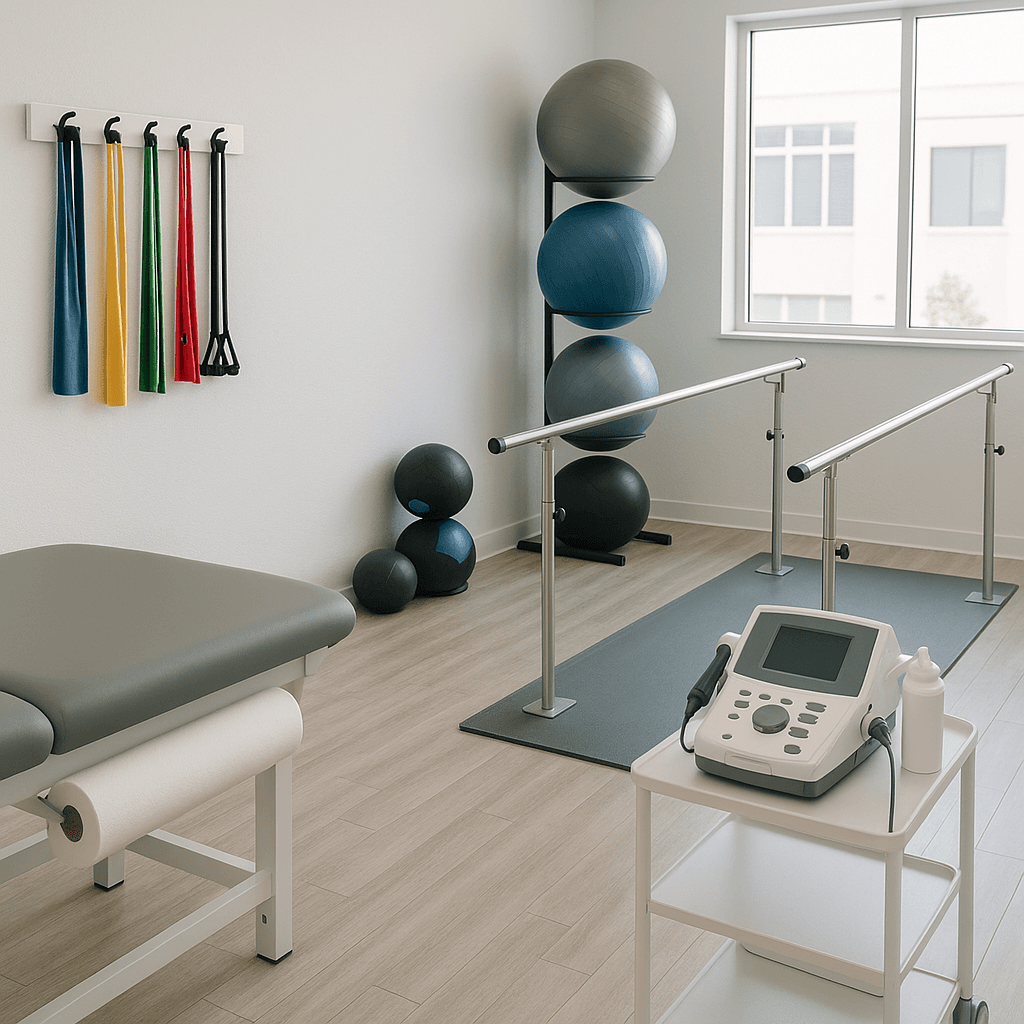
| Rehabilitation Equipment | $18,200 | $54,600 | $136,500 | Treatment tables, modality units (ultrasound/e-stim combos), and gym equipment are each individual capital line items in the four-to-low-five-figure range. The full equipment package for a clinic adds up to a substantial five-figure investment. |
| PT Software & EMR | $1,820 | $5,460 | $16,380 | WebPT (https://www.webpt.com/) is the industry-standard PT EMR, billed on a monthly per-therapist subscription that includes documentation and billing. |
| Licenses & Credentialing | $910 | $4,550 | $13,650 | Medicare credentialing is required to see Medicare patients and takes 90-180 days. Apply the moment you sign your lease. |
| Malpractice Insurance | $1,365 | $3,640 | $9,100 | PT malpractice premiums per therapist are typically a low four-figure annual cost — meaningfully below physician malpractice. Coverage through HPSO (https://www.hpso.com/) or ProAssurance is standard. |
| Marketing & Physician Referrals | $2,730 | $9,100 | $27,300 | The vast majority of PT patients come via physician referral. Hiring a dedicated physician liaison — paid as a meaningful five-figure salary — dramatically accelerates growth in the first year. |
| Working Capital Reserve | $13,650 | $36,400 | $91,000 | Insurance reimbursement lag (30-90 days) combined with slow referral ramp-up makes capital reserves critical. |
| Patient Intake & Compliance Tools | $910 | $4,550 | $13,650 | HIPAA-compliant intake forms and patient privacy curtains are required. Digital intake saves meaningful time per patient per visit. |
| Total Startup Cost | $53,235 | $172,900 | $471,380 | Required costs only |
Licenses & Permits in Wisconsin
Licenses & Permits in Wisconsin
General Business License
Wisconsin does not have a statewide general business license. Businesses must register their entity with the Wisconsin Department of Financial Institutions and register with the Wisconsin Department of Revenue for sales and use tax and withholding tax purposes. Some Wisconsin municipalities require local business licenses, though this varies. Milwaukee, Madison, and Green Bay have their own licensing requirements. Wisconsin's one-stop portal at DFI.wi.gov helps streamline business registration.
Industry-Specific Licenses
- Food Dealer License — Wisconsin Department of Agriculture, Trade and Consumer Protection or Local Health DepartmentCost: Varies — contact agency • Renewal: Annual
- Dwelling Contractor Certification — Wisconsin Department of Safety and Professional ServicesCost: Varies — contact agency • Renewal: Biennial
- Cosmetology Shop License — Wisconsin Board of CosmetologyCost: Varies — contact agency • Renewal: Biennial
- Real Estate Broker License — Wisconsin Real Estate Examining BoardCost: Varies — contact agency • Renewal: Biennial
- Child Care License — Wisconsin Department of Children and Families — Child Care CertificationCost: Varies — contact agency • Renewal: Annual
- Class B Beer License / Liquor License — Wisconsin Department of Revenue — Alcohol Beverage RegulationCost: Varies — contact agency • Renewal: Annual
- Pesticide Business License — Wisconsin Department of Agriculture, Trade and Consumer ProtectionCost: Varies — contact agency • Renewal: Annual
- Medical Practice License — Wisconsin Medical Examining BoardCost: Varies — contact agency • Renewal: Biennial
Home-Based Business Rules
Wisconsin cities, villages, and towns regulate home-based businesses through local zoning ordinances. Madison and Milwaukee allow home occupations in residential zones with standard restrictions on commercial signage, customer traffic, and non-resident employees. Wisconsin's many small towns and rural areas are generally accommodating of home-based businesses. Wisconsin's cottage food law supports home-based food production and direct consumer sales subject to a state-defined annual cap.
Monthly Operating Costs
After launch, plan for these ongoing monthly expenses for your Physical Therapy Clinic:
Low
$8,000/mo
Medium
$25,000/mo
High
$60,000/mo
Revenue Potential
Annual Revenue Range
$150,000 – $1,200,000 (annual)
Profit Margins
15-30%
Break-Even Timeline
12-24 months
How Wisconsin Compares to Neighboring States
Wisconsin is close to the national average for Physical Therapy Clinic startup costs, with a cost-of-living index of 98.5. Compared to neighboring Minnesota ($169,200 median startup cost), Wisconsin offers lower costs for a Physical Therapy Clinic.
Common Mistakes to Avoid
- 1
Not starting Medicare credentialing immediately — a six-month delay represents months of lost reimbursement and can wipe out a meaningful share of year-one revenue
- 2
Underestimating the importance of physician referral relationships — build MD relationships before opening
- 3
Not hiring a physician liaison or dedicating time to referral marketing
- 4
Overrelying on a single referral source — losing one surgeon or orthopedist can eliminate a substantial share of revenue overnight
- 5
Insufficient working capital — PT reimbursement per visit combined with the 30-90 day insurance payment lag creates cash flow challenges that compound during the ramp-up period
Next Steps to Launch Your Physical Therapy Clinic
- 1
Obtain your Wisconsin physical therapy license from the Wisconsin Physical Therapy Board before treating patients
- 2
Register your Physical Therapy Clinic as a professional LLC or PLLC with the Wisconsin Secretary of State ($130 filing fee)
- 3
Apply for your NPI number and credential with Medicare, Medicaid, Blue Cross, and major commercial insurers
- 4
Obtain DEA registration if you plan to operate a physical therapy pain management program
- 5
Get professional liability and general liability insurance for physical therapy practice; premiums scale with therapist count and treatment menu
- 6
Purchase therapy equipment: treatment tables, therapeutic ultrasound, electrical stimulation units, parallel bars, and exercise equipment
- 7
Implement HIPAA-compliant Electronic Health Records (EHR) and physical therapy documentation software
- 8
Establish physician referral relationships with local orthopedic surgeons, sports medicine doctors, and primary care providers
Frequently Asked Questions
Related Businesses in Wisconsin
Chiropractic Office
Health & Wellness$100,000 – $300,000
View in Wisconsin →
Medical Practice
Health & Wellness$150,000 – $1,000,000
View in Wisconsin →
Spa & Massage Therapy
Health & Wellness$10,000 – $250,000
View in Wisconsin →
Gym & Fitness Center
Health & Wellness$50,000 – $1,000,000
View in Wisconsin →
Personal Training Business
Health & Wellness$5,000 – $100,000
View in Wisconsin →
Start a Physical Therapy Clinic in Other States
See the national overview for Physical Therapy Clinic or browse all businesses you can start in Wisconsin.