How Much Does It Cost to Start a Painting Business in Indiana?
Starting a Painting Business in Indiana typically costs between $4,300 and $68,800, with a median estimate of $21,500. Indiana’s cost of living is 9% below the national average, which helps reduce operating expenses like commercial rent and labor. LLC formation in Indiana costs $95 to file. Most painting business businesses take 1-4 weeks to launch.
Last updated: May 2026
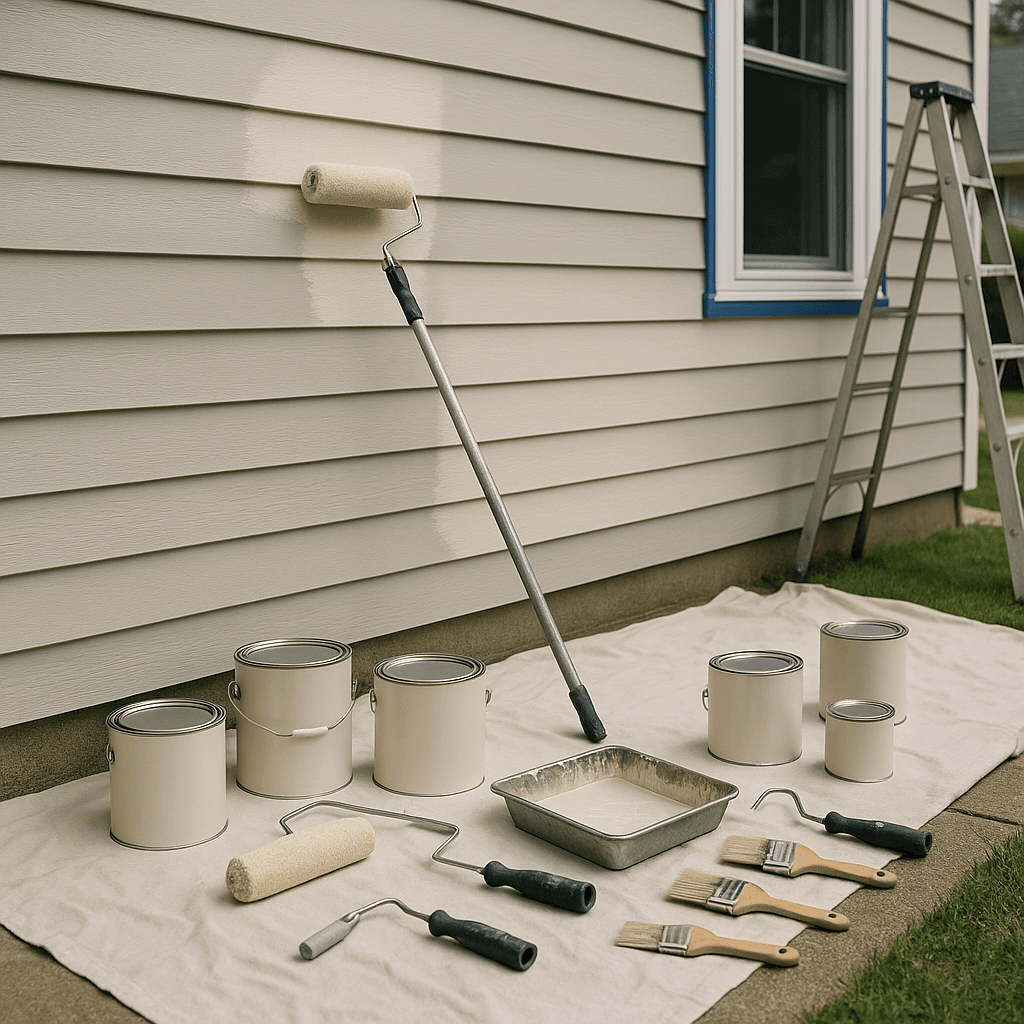
How Much Does It Cost to Start a Painting Business in Indiana?
Low
$4,300
Medium
$21,500
High
$68,800
National average: $5,000 – $80,000
Interactive Startup Cost Calculator
Startup Cost Calculator
Painting Business in Indiana
Options
Startup Costs
$17,286
Monthly Costs
$3,440
First Year Total
$58,566
Full Cost Breakdown
| Cost Category | Low | Medium | High | Notes |
|---|---|---|---|---|
| Painting Equipment & Tools | $860 | $4,300 | $17,200 | A quality Graco airless sprayer is the highest-leverage capital purchase for a painting crew, representing the bulk of the equipment budget. Ladders, brushes, rollers, and drop cloths add an additional meaningful chunk to the opening kit cost. |
| Insurance & Bonding | $688 | $2,150 | $6,880 | Painting liability covers damaged furniture, spills, and falls. Premiums for a solo painter are typically a low-to-mid four-figure annual cost. |
| Business License | $43 | $258 | $1,290 | Painting contractor requirements vary by state. Most require only a business license and general liability insurance. |
| Lead-Safe RRP Certification | $172 | $430 | $860 | EPA RRP certification (https://www.epa.gov/lead/renovation-repair-and-painting-program) is required for painting in pre-1978 buildings. The 8-hour course is a low three-figure cost; firm registration is renewed annually. |
| Marketing & Estimates Software | $258 | $1,720 | $6,880 | Painting estimate apps (PaintScout, Estimate Rocket) help present professional proposals. Yard signs on every job are free advertising. |
| Working Capital Reserve | $860 | $3,440 | $12,900 | Collecting a meaningful deposit on every job (typically a third of the contract) funds material purchases up front and dramatically reduces working-capital requirements. |
| Vehicle (optional) | $1 | $4,300 | $17,200 | Solo painters can use a personal vehicle. A van provides more professional appearance and equipment capacity. |
| Marketing & Yard Signs (optional) | $172 | $688 | $2,150 | Yard signs at active job sites generate substantial neighborhood leads at low cost. |
| Total Startup Cost | $2,881 | $12,298 | $46,010 | Required costs only |
Licenses & Permits in Indiana
Licenses & Permits in Indiana
General Business License
Indiana does not have a statewide general business license. Businesses must register their entity with the Indiana Secretary of State and register with the Indiana Department of Revenue for sales tax and withholding tax purposes. Many professions in Indiana require licenses through the Indiana Professional Licensing Agency (IPLA). Individual cities and counties may require local business licenses, particularly for food service, alcohol sales, and certain retail businesses.
Industry-Specific Licenses
- Food Establishment Permit — Indiana State Department of Health or Local Health DepartmentCost: Varies — contact agency • Renewal: Annual
- Home Improvement Supplier Registration — Indiana Attorney General's OfficeCost: Varies — contact agency • Renewal: Annual
- Cosmetology Shop License — Indiana Professional Licensing Agency — State Board of Cosmetology and Barber ExaminersCost: Varies — contact agency • Renewal: Biennial
- Real Estate Broker License — Indiana Professional Licensing Agency — Real Estate CommissionCost: Varies — contact agency • Renewal: Every 3 years
- Child Care Center License — Indiana Family and Social Services Administration — Division of Child ServicesCost: Varies — contact agency • Renewal: Annual
- Retail Liquor License — Indiana Alcohol and Tobacco CommissionCost: Varies — contact agency • Renewal: Annual
- Motor Carrier Registration — Indiana Department of Revenue — Motor Carrier ServicesCost: Varies — contact agency • Renewal: Annual
- Plumbing Contractor License — Indiana Fire Prevention and Building Safety CommissionCost: Varies — contact agency • Renewal: Annual
Home-Based Business Rules
Home-based businesses in Indiana are regulated by local zoning ordinances. Indiana municipalities typically allow home occupations as an accessory use in residential zones with restrictions on the proportion of home space used, signage, and customer visits. Rural areas outside incorporated municipalities generally have minimal restrictions on home-based businesses. Indiana's cottage food law supports home-based food production.
Monthly Operating Costs
After launch, plan for these ongoing monthly expenses for your Painting Business:
Low
$1,000/mo
Medium
$4,000/mo
High
$15,000/mo
Revenue Potential
Annual Revenue Range
$40,000 – $500,000 (annual)
Profit Margins
25-45%
Break-Even Timeline
1-3 months
How Indiana Compares to Neighboring States
Indiana is one of the more affordable states for launching a Painting Business, with a cost-of-living index of 90.6 (national average is 100). Compared to neighboring Michigan ($22,000 median startup cost), Indiana offers lower costs for a Painting Business.
Common Mistakes to Avoid
- 1
Not obtaining EPA RRP certification for work on older homes — federal civil penalties under the RRP rule (https://www.epa.gov/lead/lead-renovation-repair-and-painting-program) are substantial per violation and compound across job sites
- 2
Underpricing jobs to win bids — pricing below the local market for properly-prepped, properly-finished work undercuts margin and trains customers to expect rates that cannot sustain the business
- 3
Not collecting deposits — running jobs without deposits creates cash flow problems when customers delay payment
- 4
Starting without insurance — one furniture stain or flooring damage incident can cost more than the entire job value
- 5
Not tracking job profitability — calculate actual hours vs estimated hours after each job to improve future bids
Next Steps to Launch Your Painting Business
- 1
Form your LLC in Indiana — painting contractors work inside client properties and face liability for damage and paint fume exposure (filing fee: $95)
- 2
Obtain your Indiana painting contractor license if required — most states require a contractor license once project values exceed a state-specific threshold
- 3
Obtain EPA Lead-RRP (Renovation, Repair and Painting) certification (https://www.epa.gov/lead/lead-renovation-repair-and-painting-program) — required by federal law before working on older homes or buildings
- 4
Get general liability insurance and a contractor surety bond — required by commercial property managers and homeowners
- 5
Purchase professional equipment: airless paint sprayer (Graco or Titan), roller frames, extension poles, and quality brushes
- 6
Open a trade account with Sherwin-Williams or Benjamin Moore for contractor pricing — meaningfully below retail list price
- 7
Set up estimating software (Estimate Rocket or Jobber) to produce professional quotes with labor, material, and prep cost breakdowns
- 8
Build relationships with realtors, property managers, and general contractors — referral partnerships drive the majority of painting revenue
Frequently Asked Questions
Related Businesses in Indiana
Roofing Company
Home Services$15,000 – $180,000
View in Indiana →
General Contracting Business
Construction & Trades$20,000 – $130,000
View in Indiana →
Cleaning Business
Home Services$1,500 – $37,000
View in Indiana →
Handyman Business
Home Services$2,000 – $33,000
View in Indiana →
Landscaping Business
Home Services$10,000 – $120,000
View in Indiana →
Start a Painting Business in Other States
See the national overview for Painting Business or browse all businesses you can start in Indiana.