How Much Does It Cost to Start a Martial Arts Studio in Arkansas?
Starting a Martial Arts Studio in Arkansas typically costs between $16,200 and $162,000, with a median estimate of $56,700. Arkansas’s cost of living is 11% below the national average, which helps reduce operating expenses like commercial rent and labor. LLC formation in Arkansas costs $45 to file. Most martial arts studio businesses take 2-5 months to launch.
Last updated: May 2026
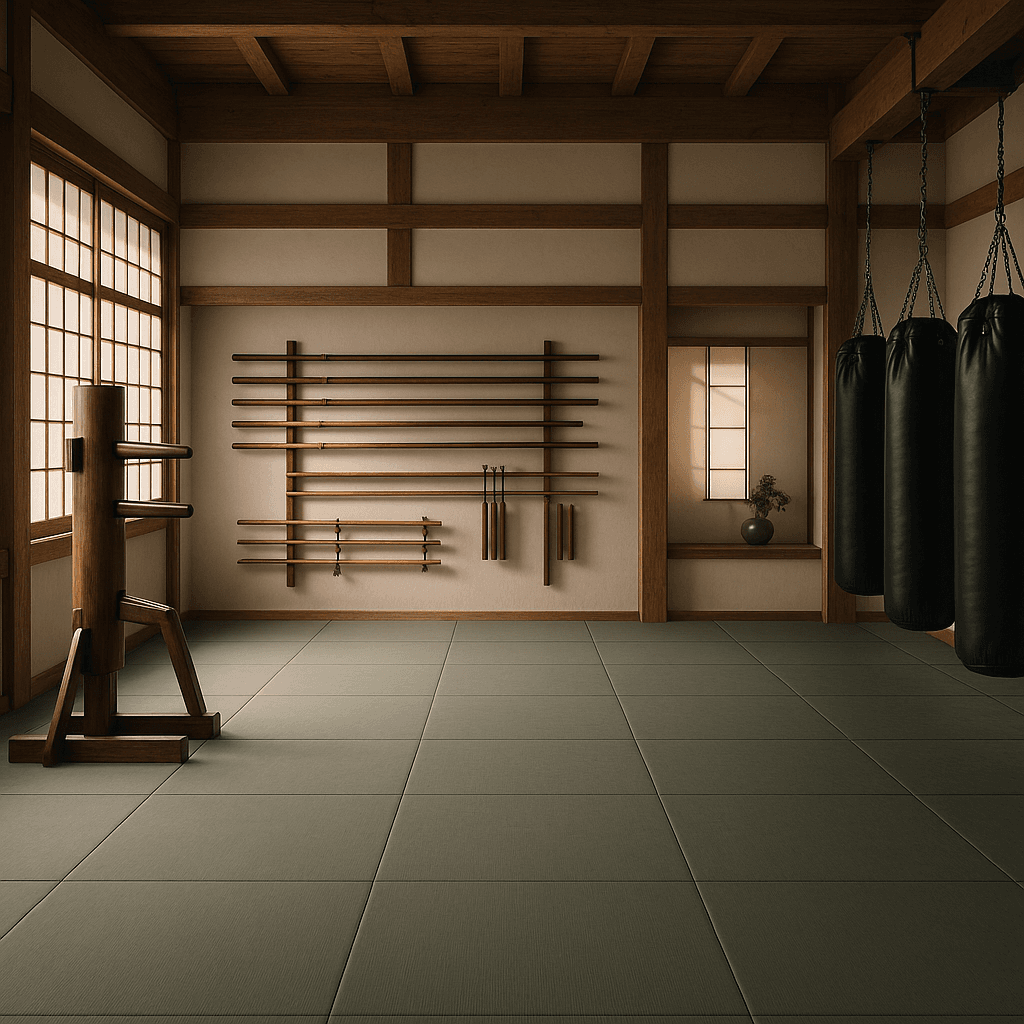
How Much Does It Cost to Start a Martial Arts Studio in Arkansas?
Low
$16,200
Medium
$56,700
High
$162,000
National average: $20,000 – $200,000
Interactive Startup Cost Calculator
Startup Cost Calculator
Martial Arts Studio in Arkansas
Options
Startup Costs
$59,940
Monthly Costs
$6,480
First Year Total
$137,700
Full Cost Breakdown
| Cost Category | Low | Medium | High | Notes |
|---|---|---|---|---|
| Studio Space Lease & Build-Out | $6,480 | $24,300 | $72,900 | High-density foam or spring-loaded mats are priced per square foot installed. A 2,000 sq ft mat area commits a meaningful share of total build-out budget to flooring alone. |
| Mats & Training Equipment | $4,050 | $12,150 | $32,400 | A complete mat installation for a typical studio footprint is a meaningful four-to-low-five-figure investment. Heavy bags and striking pads are individual three-figure line items. |
| Business License & Insurance | $405 | $2,025 | $6,480 | Martial arts liability insurance through specialty carriers like USMA or PAI covers student injuries during training. |
| Instructor Certifications | $162 | $810 | $4,050 | Most martial arts governing bodies require minimum belt ranks to teach. Continuing education in pedagogy improves retention. |
| Studio Management Software | $243 | $1,215 | $4,050 | Zen Planner, MINDBODY, and Perfect Gym are popular martial-arts platforms billed on monthly subscriptions that scale with member count. |
| Marketing & Community Programs | $405 | $2,430 | $8,100 | Free introductory classes and school bully prevention programs are highly effective for youth enrollment. |
| Working Capital Reserve | $4,050 | $12,150 | $32,400 | Martial arts studios with strong retention programs can reach break-even in 6-12 months. |
| Retail Merchandise (optional) | $1,620 | $4,860 | $12,150 | Uniform and gear sales to students are a significant revenue stream. Most studios require specific uniforms. |
| Total Startup Cost | $15,795 | $55,080 | $160,380 | Required costs only |
Licenses & Permits in Arkansas
Licenses & Permits in Arkansas
General Business License
Arkansas does not have a statewide general business license, but businesses must register with the Secretary of State for entity formation and with the Department of Finance and Administration for sales tax purposes. Individual cities and counties issue their own business licenses. Fayetteville, Little Rock, and other municipalities have their own business licensing requirements and fees.
Industry-Specific Licenses
- Food Service Permit — Arkansas Department of Health — Food Protection ProgramCost: Varies — contact agency • Renewal: Annual
- Contractor License — Arkansas Contractors Licensing BoardCost: Varies — contact agency • Renewal: Annual
- Cosmetology Shop License — Arkansas State Board of CosmetologyCost: Varies — contact agency • Renewal: Annual
- Child Care Facility License — Arkansas Division of Child Care and Early Childhood EducationCost: Varies — contact agency • Renewal: Annual
- Motor Carrier Permit — Arkansas Department of TransportationCost: Varies — contact agency • Renewal: Annual
- Real Estate Broker License — Arkansas Real Estate CommissionCost: Varies — contact agency • Renewal: Annual
- Pesticide Business License — Arkansas Department of AgricultureCost: Varies — contact agency • Renewal: Annual
- Motor Vehicle Dealer License — Arkansas Motor Vehicle CommissionCost: Varies — contact agency • Renewal: Annual
Home-Based Business Rules
Home-based businesses in Arkansas are regulated by local municipal ordinances. Most Arkansas cities allow home occupations in residential zones with restrictions on signage, traffic, and commercial storage. Rural areas outside municipal boundaries generally have no restrictions on home-based businesses. Arkansas Act 571 clarified that home-based food businesses are legal under certain conditions.
Monthly Operating Costs
After launch, plan for these ongoing monthly expenses for your Martial Arts Studio:
Low
$3,000/mo
Medium
$8,000/mo
High
$20,000/mo
Revenue Potential
Annual Revenue Range
$60,000 – $500,000 (annual)
Profit Margins
20-40%
Break-Even Timeline
12-24 months
How Arkansas Compares to Neighboring States
Arkansas is one of the more affordable states for launching a Martial Arts Studio, with a cost-of-living index of 88.7 (national average is 100). Compared to neighboring Missouri ($58,100 median startup cost), Arkansas offers lower costs for a Martial Arts Studio.
Common Mistakes to Avoid
- 1
Relying entirely on month-to-month memberships — annual contracts with auto-pay dramatically reduce churn
- 2
Not creating a formal belt testing program — testing fees per student per promotion are high-margin recurring revenue
- 3
Not offering after-school programs — partnering with schools for after-school martial arts generates a meaningful enrollment cohort per school
- 4
Underpricing — quality martial arts programs need to charge for the value of structured progression and certified instruction; underpricing relative to competing studios signals lower quality
- 5
Not hiring a student success coordinator — member retention management separates profitable schools from struggling ones
Next Steps to Launch Your Martial Arts Studio
- 1
Form your LLC in Arkansas — martial arts studios teach contact sports; liability waivers and entity protection are critical (filing fee: $45)
- 2
Obtain a business license in Arkansas and confirm your location's zoning allows assembly occupancy for a martial arts school
- 3
Obtain liability waivers for all students (and parental consent forms for minors) — have waivers reviewed by an attorney familiar with Arkansas law
- 4
Get general liability and professional liability insurance — required for studio leases and tournament hosting; premiums scale with student count
- 5
Obtain martial arts instructor certifications from your discipline's governing body (IKF, WTF/WT for Taekwondo, BJJ associations, etc.)
- 6
Install proper mats: at least 1.5-inch foam puzzle mats or spring-mounted mat systems to prevent injury during sparring
- 7
Set up studio management software (MINDBODY, Zen Planner, or Kicksite) for belt tracking, class scheduling, and automated billing
- 8
Plan promotional belt test events — these generate additional revenue and create milestone moments that improve student retention
Frequently Asked Questions
Related Businesses in Arkansas
Dance Studio
Childcare & Education$20,000 – $250,000
View in Arkansas →
Gym & Fitness Center
Health & Wellness$50,000 – $1,000,000
View in Arkansas →
Yoga Studio
Health & Wellness$15,000 – $200,000
View in Arkansas →
Personal Training Business
Health & Wellness$5,000 – $100,000
View in Arkansas →
Tutoring Business
Childcare & Education$2,000 – $100,000
View in Arkansas →
Start a Martial Arts Studio in Other States
See the national overview for Martial Arts Studio or browse all businesses you can start in Arkansas.