How Much Does It Cost to Start a Ghost Kitchen in Colorado?
Starting a Ghost Kitchen in Colorado typically costs between $22,000 and $165,000, with a median estimate of $66,000. Colorado’s cost of living runs 3% above the national average, which increases commercial rent and labor costs. LLC formation in Colorado costs $50 to file. Most ghost kitchen businesses take 1-3 months to launch.
Last updated: May 2026
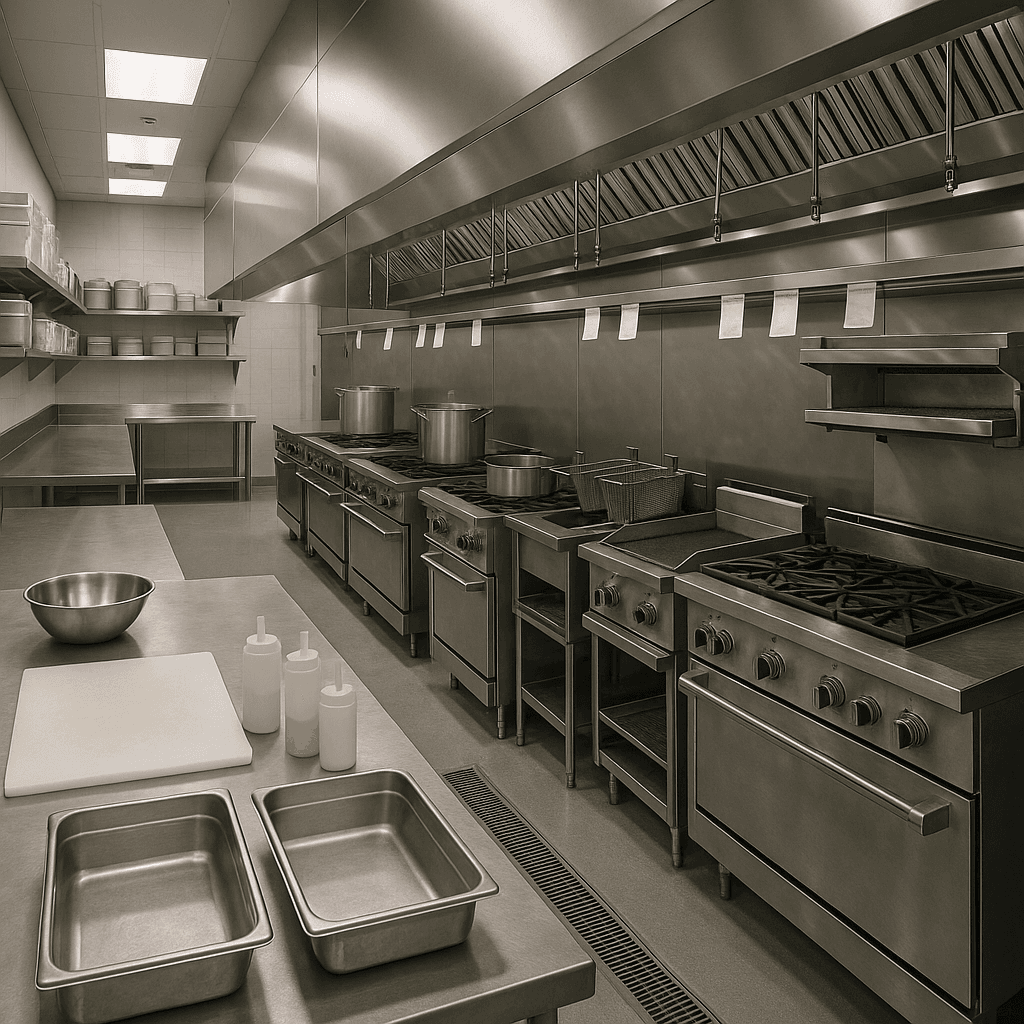
How Much Does It Cost to Start a Ghost Kitchen in Colorado?
Low
$22,000
Medium
$66,000
High
$165,000
National average: $20,000 – $150,000
Interactive Startup Cost Calculator
Startup Cost Calculator
Ghost Kitchen in Colorado
Options
Startup Costs
$68,750
Monthly Costs
$13,200
First Year Total
$227,150
Full Cost Breakdown
| Cost Category | Low | Medium | High | Notes |
|---|---|---|---|---|
| Kitchen Space Rental | $2,200 | $8,800 | $27,500 | Ghost kitchen facilities like Kitchen United (https://kitchenunited.com/) and CloudKitchens (https://www.cloudkitchens.com/) offer turnkey space billed monthly. Shared commissary kitchen rental is similarly billed as a monthly membership for part-time use. |
| Kitchen Equipment | $5,500 | $22,000 | $66,000 | Ghost kitchen facilities often include basic equipment. A turnkey facility reduces equipment outlay to supplemental smallwares and brand-specific gear. Starting in a fully equipped shared kitchen can reduce this category to nearly zero. |
| Permits & Licenses | $550 | $2,750 | $7,700 | Ghost kitchens have the same permitting requirements as restaurants but without liquor licenses or dine-in build-out permits. Health inspection is required regardless. |
| Initial Food Inventory | $3,300 | $8,800 | $22,000 | Branded packaging matters even for delivery — good packaging improves reviews and repeat orders. Custom-printed bags are a low per-unit cost that scales with order volume. |
| Delivery Platform Setup | $1,100 | $3,300 | $8,800 | There are no upfront listing fees on most platforms, but in-app promotional spending significantly improves placement and order volume in the first months and is typically billed as a monthly marketing budget. |
| POS & Order Management | $550 | $2,200 | $5,500 | Order aggregators like Otter (https://www.tryotter.com/) or Deliverect consolidate orders from multiple platforms into one screen on a monthly subscription, reducing errors and missed orders. |
| Insurance | $1,650 | $4,400 | $11,000 | Ghost kitchens need product liability to cover food safety incidents. General liability is required by most ghost kitchen facilities. |
| Marketing & Brand Building | $1,650 | $5,500 | $16,500 | Professional food photography dramatically improves conversion on delivery platforms — good photos meaningfully lift orders. Invest in quality product photography before launching. |
| Working Capital Reserve | $5,500 | $11,000 | $33,000 | Delivery platforms pay out weekly or bi-weekly. Maintain 4-6 weeks of operating costs in reserve. Ghost kitchens typically reach break-even faster than traditional restaurants. |
| Total Startup Cost | $22,000 | $68,750 | $198,000 | Required costs only |
Licenses & Permits in Colorado
Licenses & Permits in Colorado
General Business License
Colorado does not have a statewide general business license requirement. Businesses must register their entity with the Colorado Secretary of State and obtain a sales tax license from the Colorado Department of Revenue if selling taxable goods or services. Many municipalities require a local business license — Denver, Aurora, Colorado Springs, and Boulder all have their own business licensing programs with state-set annual fees that vary by program.
Industry-Specific Licenses
- Retail Food Establishment License — Colorado Department of Public Health and Environment or County HealthCost: Varies — contact agency • Renewal: Annual
- Contractor License — Local jurisdiction (Denver Building and Fire Code Services, etc.)Cost: Varies — contact agency • Renewal: Annual
- Retail Marijuana Store License — Colorado Marijuana Enforcement DivisionCost: Varies — contact agency • Renewal: Annual
- Cosmetology Salon License — Colorado Office of Barber and Cosmetology LicensureCost: Varies — contact agency • Renewal: Biennial
- Real Estate Broker License — Colorado Division of Real EstateCost: Varies — contact agency • Renewal: Every 3 years
- Child Care Center License — Colorado Department of Early ChildhoodCost: Varies — contact agency • Renewal: Annual
- Retail Liquor Store License — Colorado Liquor Enforcement DivisionCost: Varies — contact agency • Renewal: Annual
- Outfitter and Guide License — Colorado Parks and WildlifeCost: Varies — contact agency • Renewal: Annual
Home-Based Business Rules
Colorado municipalities regulate home-based businesses through local zoning ordinances. Denver allows home occupations with restrictions on customer visits (typically 1 person at a time), no exterior display, and no storage of commercial vehicles. Colorado State law preempts local regulations that would completely prohibit home-based businesses. The Colorado Cottage Food Act specifically authorizes home-based food production with certain limitations.
Monthly Operating Costs
After launch, plan for these ongoing monthly expenses for your Ghost Kitchen:
Low
$5,000/mo
Medium
$12,000/mo
High
$35,000/mo
Revenue Potential
Annual Revenue Range
$5,000 – $100,000 (monthly)
Profit Margins
5%-15% net profit after platform commissions
Break-Even Timeline
6-12 months
How Colorado Compares to Neighboring States
Colorado is close to the national average for Ghost Kitchen startup costs, with a cost-of-living index of 103.1. Compared to neighboring Wyoming ($50,400 median startup cost), Colorado has higher costs for a Ghost Kitchen.
Common Mistakes to Avoid
- 1
Ignoring platform commission impact — DoorDash, Uber Eats, and Grubhub take a substantial percentage of every order, requiring menu pricing meaningfully above dine-in to maintain margin
- 2
Skipping professional food photography — listing photos are the primary sales driver on delivery platforms
- 3
Launching too many virtual brand concepts at once before mastering one
- 4
Not monitoring and responding to every review — ghost kitchens live and die by their star rating on delivery platforms
- 5
Underestimating packaging costs — branded packaging adds a real per-order cost that compounds at meaningful order volume
- 6
Choosing a ghost kitchen location too far from target delivery zone — delivery time directly impacts food quality and reviews
Next Steps to Launch Your Ghost Kitchen
- 1
Register your Ghost Kitchen as an LLC with the Colorado Secretary of State ($50 filing fee)
- 2
Obtain a Colorado food service establishment license and food handler permits for all kitchen staff
- 3
Pass the Colorado health department commercial kitchen inspection for your ghost kitchen facility
- 4
Sign up for ghost kitchen spaces (Kitchen United, CloudKitchens) or negotiate directly with a host kitchen
- 5
Get product liability and general liability insurance for virtual restaurant operations; premiums scale with revenue and product mix
- 6
Set up your virtual restaurant brand(s) on DoorDash, Uber Eats, and Grubhub delivery platforms
- 7
Develop optimized packaging for delivery — invest in containers that maintain food quality during 20–40 minute transit
- 8
Track per-brand profitability separately using your POS and delivery platform dashboards to identify top performers
Frequently Asked Questions
Related Businesses in Colorado
Restaurant
Food & Beverage$175,000 – $750,000
View in Colorado →
Food Delivery Service
Food & Beverage$10,000 – $130,000
View in Colorado →
Meal Prep Business
Food & Beverage$20,000 – $200,000
View in Colorado →
Catering Business
Food & Beverage$12,000 – $130,000
View in Colorado →
Pizza Shop
Food & Beverage$75,000 – $400,000
View in Colorado →
Start a Ghost Kitchen in Other States
See the national overview for Ghost Kitchen or browse all businesses you can start in Colorado.