How Much Does It Cost to Start a Electrical Business in Tennessee?
Starting a Electrical Business in Tennessee typically costs between $13,800 and $147,200, with a median estimate of $50,600. Tennessee’s cost of living is 8% below the national average, which helps reduce operating expenses like commercial rent and labor. LLC formation in Tennessee costs $300 to file. Most electrical business businesses take 1-4 months to launch.
Last updated: May 2026
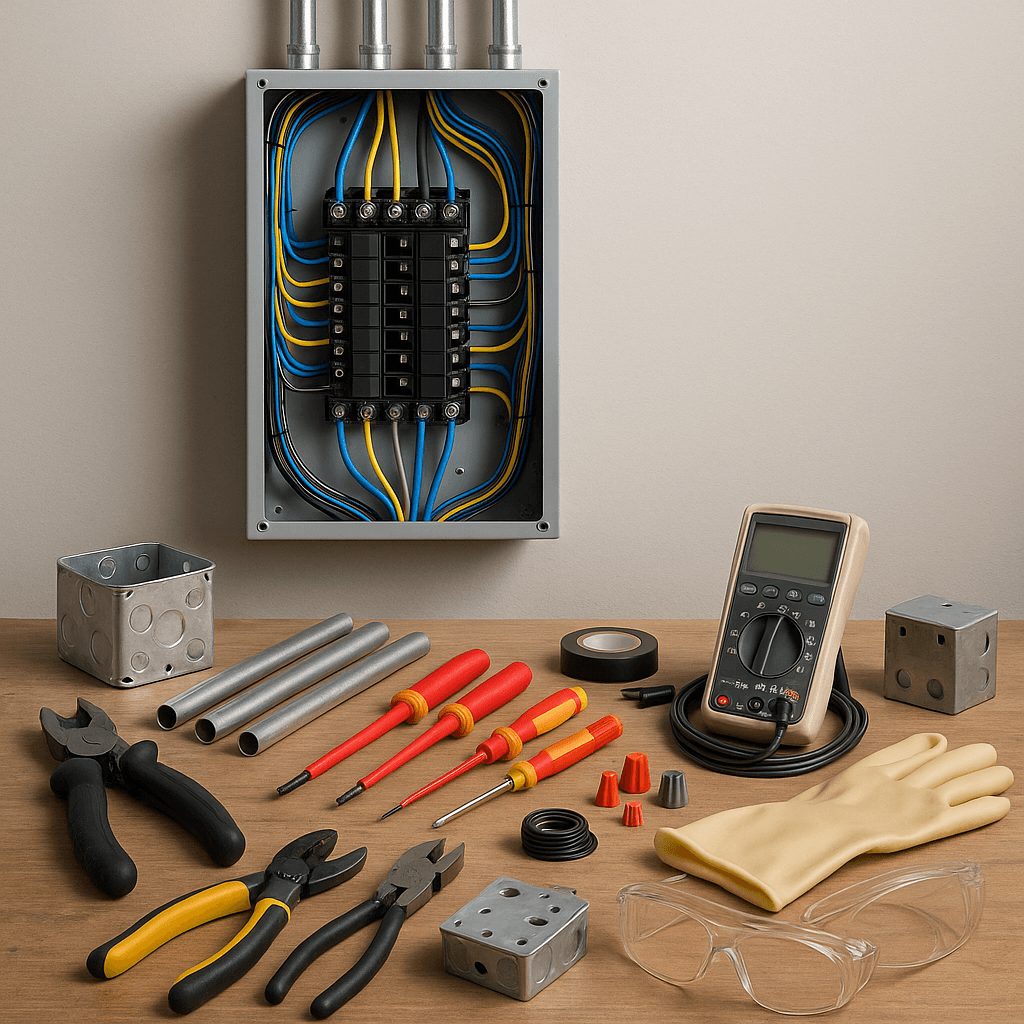
How Much Does It Cost to Start a Electrical Business in Tennessee?
Low
$13,800
Medium
$50,600
High
$147,200
National average: $15,000 – $160,000
Interactive Startup Cost Calculator
Startup Cost Calculator
Electrical Business in Tennessee
Options
Startup Costs
$41,492
Monthly Costs
$8,280
First Year Total
$140,852
Full Cost Breakdown
| Cost Category | Low | Medium | High | Notes |
|---|---|---|---|---|
| Service Vehicle | $4,600 | $16,560 | $46,000 | Electricians need a van tall enough for fiberglass ladders and extensive material storage. A quality service van is a meaningful five-figure capital purchase even when buying used. |
| Electrical Tools & Test Equipment | $1,840 | $7,360 | $23,000 | Fluke multimeters and circuit analyzers are essential safety and diagnostic tools and are individual three-figure-to-low-four-figure line items in the kit. |
| Initial Materials Inventory | $920 | $4,600 | $13,800 | Carry commonly used materials to avoid same-day supply house runs. Bill materials at cost plus a standard contractor markup. |
| Electrical Contractor License | $460 | $1,840 | $5,520 | Most states require a master electrician license (typically several years of journeyman experience plus an exam and fingerprints) to own an electrical contracting business. |
| Insurance | $1,840 | $6,440 | $18,400 | Electrical work carries significant liability — electrical fire claims can run into six figures or more. One-million-per-occurrence general liability is the standard floor required by most general contractors. |
| Field Service Software | $276 | $1,380 | $4,600 | ServiceTitan, Jobber, and FieldEdge are popular electrical contractor platforms billed on monthly subscriptions that scale with seat count. |
| Marketing & Subcontractor Relationships | $460 | $2,760 | $9,200 | GC subcontract relationships provide consistent project work without marketing spend. Build these first. |
| Apprenticeship & Continuing Education | $184 | $552 | $1,380 | Most states require continuing education for license renewal every 2-4 years. |
| Total Startup Cost | $10,580 | $41,492 | $121,900 | Required costs only |
Licenses & Permits in Tennessee
Licenses & Permits in Tennessee
General Business License
Tennessee requires most businesses to obtain a Standard Business License or Minimal Activity License through the Tennessee Department of Revenue. A Standard Business License is required for businesses with annual gross receipts over a state-defined annual revenue threshold while a Minimal Activity License covers businesses with receipts in a smaller state-defined revenue band. Businesses must also register their entity with the Tennessee Secretary of State. Tennessee has no state income tax on wages, which is a significant business advantage. Individual cities and counties also issue local business licenses.
Industry-Specific Licenses
- Food Service Establishment Permit — Tennessee Department of Health — Division of Environmental HealthCost: Varies — contact agency • Renewal: Annual
- Contractor License — Tennessee Board for Licensing ContractorsCost: Varies — contact agency • Renewal: Annual
- Cosmetology Salon License — Tennessee Board of Cosmetology and Barber ExaminersCost: Varies — contact agency • Renewal: Annual
- Real Estate Broker License — Tennessee Real Estate CommissionCost: Varies — contact agency • Renewal: Annual
- Child Care Agency License — Tennessee Department of Human Services — Child Care ServicesCost: Varies — contact agency • Renewal: Annual
- Wine and Beer License — Tennessee Alcoholic Beverage CommissionCost: Varies — contact agency • Renewal: Annual
- Talent Agency License — Tennessee Department of Commerce and InsuranceCost: Varies — contact agency • Renewal: Annual
- Medical Practice License — Tennessee Board of Medical ExaminersCost: Varies — contact agency • Renewal: Annual
Home-Based Business Rules
Tennessee municipalities regulate home-based businesses through local zoning ordinances. Nashville-Davidson County allows home occupations in residential zones with restrictions on customer visits, commercial signage, and non-resident employees. Tennessee's many rural communities are generally very accommodating of home-based businesses. Tennessee's cottage food law, with its comparatively high annual sales cap, is particularly supportive of home-based food businesses.
Monthly Operating Costs
After launch, plan for these ongoing monthly expenses for your Electrical Business:
Low
$3,000/mo
Medium
$9,000/mo
High
$28,000/mo
Revenue Potential
Annual Revenue Range
$80,000 – $800,000 (annual)
Profit Margins
20-40%
Break-Even Timeline
3-9 months
How Tennessee Compares to Neighboring States
Tennessee is one of the more affordable states for launching a Electrical Business, with a cost-of-living index of 92.1 (national average is 100). Compared to neighboring Virginia ($58,850 median startup cost), Tennessee offers lower costs for a Electrical Business.
| State | Est. Cost | LLC Fee |
|---|---|---|
| Tennessee (current) | $50,600 | $300 |
| Virginia | $58,850 | $100 |
| North Carolina | $52,800 | $125 |
| Georgia | $51,700 | $100 |
| Alabama | $44,550 | $200 |
| Mississippi | $42,350 | $50 |
| Arkansas | $44,550 | $45 |
| Missouri | $45,650 | $50 |
| Kentucky | $46,200 | $40 |
Common Mistakes to Avoid
- 1
Starting without a master electrician license — unlicensed electrical work is illegal and creates severe liability
- 2
Not building general contractor relationships from day one — GC subcontract work is the fastest growth path
- 3
Undercharging for panel upgrades — a 200A panel upgrade is a multi-hour skilled-labor job and pricing should reflect both the hours and the licensed-trade nature of the work
- 4
Not obtaining permits for permitted work — homeowners can face major issues at sale if work was unpermitted
- 5
Not tracking material costs per job — material markup is a significant profit center for electrical contractors
Next Steps to Launch Your Electrical Business
- 1
Form your LLC in Tennessee — electricians face significant liability for fire and injury from faulty wiring; entity protection is essential (filing fee: $300)
- 2
Obtain your Tennessee electrical contractor license — requires master electrician license (typically several years of journeyman experience plus state exam) in most states
- 3
Obtain a contractor surety bond at the face value required by your state and electrical contractor liability insurance; premiums scale with payroll
- 4
Complete OSHA 10 or 30-hour construction safety training — required by most general contractors before working on their job sites
- 5
Register with your local utility company as an approved electrical contractor for permit-pulling and inspection coordination
- 6
Open trade accounts with electrical supply houses (Graybar, Rexel, Wesco) in Tennessee for contractor pricing
- 7
Get registered as a Tennessee licensed contractor with the Contractor State License Board or equivalent regulatory body
- 8
Build relationships with local general contractors and property managers — subcontract work is the fastest path to steady revenue for new electrical businesses
Frequently Asked Questions
Related Businesses in Tennessee
Plumbing Business
Home Services$15,000 – $150,000
View in Tennessee →
HVAC Business
Home Services$20,000 – $200,000
View in Tennessee →
General Contracting Business
Construction & Trades$20,000 – $130,000
View in Tennessee →
Handyman Business
Home Services$2,000 – $33,000
View in Tennessee →
Roofing Company
Home Services$15,000 – $180,000
View in Tennessee →
Start a Electrical Business in Other States
See the national overview for Electrical Business or browse all businesses you can start in Tennessee.