How Much Does It Cost to Start a Bar & Nightclub in Maryland?
Starting a Bar & Nightclub in Maryland typically costs between $121,000 and $1,028,500, with a median estimate of $423,500. Maryland’s cost of living runs 17% above the national average, which increases commercial rent and labor costs. LLC formation in Maryland costs $100 to file. Most bar & nightclub businesses take 3-9 months to launch.
Last updated: May 2026
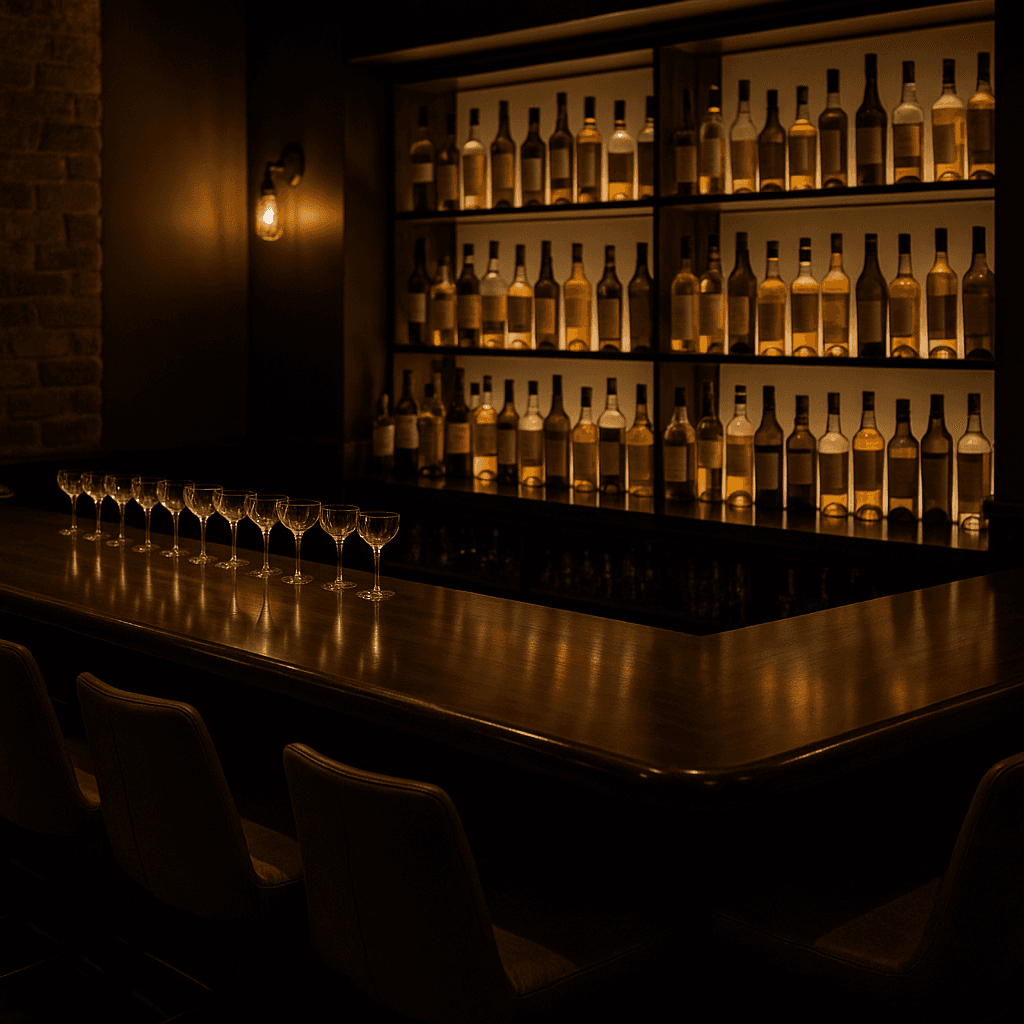
How Much Does It Cost to Start a Bar & Nightclub in Maryland?
Low
$121,000
Medium
$423,500
High
$1,028,500
National average: $100,000 – $850,000
Interactive Startup Cost Calculator
Startup Cost Calculator
Bar & Nightclub in Maryland
Options
Startup Costs
$410,500
Monthly Costs
$48,400
First Year Total
$991,300
Full Cost Breakdown
| Cost Category | Low | Medium | High | Notes |
|---|---|---|---|---|
| Liquor License | $3,630 | $60,500 | $484,000 | Liquor license costs vary significantly by jurisdiction. The state application fee for an on-premises liquor license through the NY State Liquor Authority is typically a low-to-mid four-figure cost (https://sla.ny.gov/). In markets with active moratoria or high demand (notably NYC), secondary-market license transfers can climb well into six figures — a resale value, not a state-set fee. Some states auction licenses; others use quota systems. |
| Commercial Space Lease & Build-Out | $36,300 | $96,800 | $302,500 | Nightclubs require significantly more build-out than bars due to lighting, sound systems, and safety requirements. |
| Bar Equipment & Fixtures | $18,150 | $48,400 | $121,000 | Draft beer systems are priced per tap setup as a meaningful four-figure capital line item that scales with the number of lines. Walk-in coolers are a meaningful four-to-low-five-figure capital purchase. |
| Opening Alcohol Inventory | $9,680 | $30,250 | $84,700 | Stock 2-4 weeks of projected sales. Spirits carry the highest gross margins, beer somewhat lower, wine lower again — alcohol economics overall produce strong gross margins relative to non-alcohol food service. |
| Security Systems & Staff | $3,630 | $12,100 | $36,300 | ID scanning technology is a low-to-mid four-figure capital purchase. Security staff are an ongoing operational cost that scales with capacity and operating hours. |
| Insurance | $5,750 | $17,250 | $46,000 | Liquor liability (dram shop insurance) is mandatory in most states. Nightclubs pay significantly higher premiums than bars due to capacity, hours, and incident history in the category. |
| Marketing & Promotions | $6,050 | $24,200 | $72,600 | Bars and nightclubs live on word of mouth. Opening night must be spectacular to generate buzz. |
| Working Capital Reserve | $24,200 | $84,700 | $181,500 | Bars typically take 6-12 months to build a loyal customer base. Maintain 3-4 months in reserve. |
| Audio-Visual & Lighting System (optional) | $6,050 | $36,300 | $181,500 | A dive bar needs only a basic speaker setup. A proper nightclub with stage lighting, full-band PA, and dance floor LED is materially more — well into the high five to low six figures. |
| Total Startup Cost | $107,390 | $374,200 | $1,328,600 | Required costs only |
Licenses & Permits in Maryland
Licenses & Permits in Maryland
General Business License
Maryland requires a Trader's License for most retail and wholesale businesses, issued by the Clerk of the Circuit Court in each county. Businesses must also register their entity with the Maryland Department of Assessments and Taxation (SDAT) and register with the Comptroller of Maryland for sales and use tax. Service businesses may not need a Trader's License but still need to register with SDAT. Maryland's bFile portal allows online registration for tax accounts.
Industry-Specific Licenses
- Food Service Facility Permit — Maryland Department of Health — Environmental Health Bureau or County Health DepartmentCost: Varies — contact agency • Renewal: Annual
- Home Improvement Contractor License — Maryland Home Improvement CommissionCost: Varies — contact agency • Renewal: Biennial
- Cosmetology Shop License — Maryland State Board of CosmetologistsCost: Varies — contact agency • Renewal: Biennial
- Real Estate Broker License — Maryland Real Estate CommissionCost: Varies — contact agency • Renewal: Biennial
- Child Care Center License — Maryland Office of Child CareCost: Varies — contact agency • Renewal: Annual
- Retail Alcoholic Beverage License — Maryland Alcohol and Tobacco Commission or Local BoardCost: Varies — contact agency • Renewal: Annual
- Assisted Living Facility License — Maryland Department of Health — Office of Health Care QualityCost: Varies — contact agency • Renewal: Annual
- For-Hire Transportation Permit — Maryland Public Service CommissionCost: Varies — contact agency • Renewal: Annual
Home-Based Business Rules
Maryland's counties and Baltimore City each regulate home-based businesses through their own zoning codes. Montgomery County allows home occupations with restrictions on customer visits, employees, and signage. Baltimore City allows registered home-based businesses in most residential zones. Maryland's proximity to Washington DC creates a large market for home-based consulting, government contracting, and professional service businesses.
Monthly Operating Costs
After launch, plan for these ongoing monthly expenses for your Bar & Nightclub:
Low
$15,000/mo
Medium
$40,000/mo
High
$100,000/mo
Revenue Potential
Annual Revenue Range
$200,000 – $2,000,000 (annual)
Profit Margins
10-15%
Break-Even Timeline
12-24 months
How Maryland Compares to Neighboring States
Maryland is a higher-cost state for starting a Bar & Nightclub, with a cost-of-living index of 117.4 (national average is 100). Compared to neighboring Virginia ($374,500 median startup cost), Maryland has higher costs for a Bar & Nightclub.
| State | Est. Cost | LLC Fee |
|---|---|---|
| Maryland (current) | $423,500 | $100 |
| Virginia | $374,500 | $100 |
| West Virginia | $269,500 | $100 |
| Pennsylvania | $336,000 | $125 |
| Delaware | $364,000 | $110 |
Common Mistakes to Avoid
- 1
Underestimating liquor license cost and timeline — in quota states, waiting 1-3 years is normal
- 2
Building a concept for yourself rather than your target market
- 3
Skipping dram shop (liquor liability) insurance — one drunk driving incident can close the business
- 4
Inadequate security planning — fights and incidents destroy reputation overnight
- 5
Poor POS and inventory control — alcohol shrinkage from over-pouring and theft is meaningful at most operations without tight controls and represents a major hidden cost
Next Steps to Launch Your Bar & Nightclub
- 1
Register your Bar or Nightclub as an LLC with the Maryland Secretary of State ($100 filing fee)
- 2
Apply for a Maryland liquor license from the Alcoholic Beverages Control board — budget 6–18 months for approval
- 3
Obtain an entertainment license or cabaret permit from your city for live music or DJ performances
- 4
Pass the Maryland fire marshal inspection for your occupancy load, exits, and sprinkler requirements
- 5
Hire licensed security staff and check Maryland requirements for security guard licensing
- 6
Get liquor liability insurance, general liability, and commercial property coverage; premiums scale with capacity and operating hours
- 7
Install an age verification system and train all staff on responsible alcohol service (TIPS or ServSafe)
- 8
Set up your POS system with tab management and configure your sound/lighting systems before opening
Frequently Asked Questions
Related Businesses in Maryland
Restaurant
Food & Beverage$175,000 – $750,000
View in Maryland →
Coffee Shop
Food & Beverage$60,000 – $350,000
View in Maryland →
Brewery / Microbrewery
Food & Beverage$250,000 – $1,500,000
View in Maryland →
Winery
Food & Beverage$500,000 – $3,000,000
View in Maryland →
Catering Business
Food & Beverage$12,000 – $130,000
View in Maryland →
Start a Bar & Nightclub in Other States
See the national overview for Bar & Nightclub or browse all businesses you can start in Maryland.